Show #155 - August Gardening Tips: Mosquito Control, Lawn Care, Watering & Fertilizer
August is one of the most important transition months in the garden. Mosquito populations are at their peak, summer insects are active, fall lawn renovation is underway, and plants are setting the flower buds that will produce next spring’s blooms.
In Show #155 of Great Gardens Radio, the focus is on mosquito and insect control, late-summer watering, lawn renovation, proper fertilizer placement, weed control, and avoiding common gardening myths.
August Is Peak Mosquito Season
August is peak mosquito season, making mosquito prevention especially important for gardeners.
Mosquito activity is greatest in the early morning and late evening—also the times when gardeners are most likely to work outside to avoid the hottest part of the day.
Eliminate Standing Water
Any standing water around the landscape can become a mosquito breeding area.
Check for:
- Water-catching saucers under deck plants
- Containers holding stagnant water
- Other areas where water remains after rain or irrigation
Summit Chemicals offers mosquito dunks and mosquito bits for longer-term mosquito control.
Green Armor can also be sprayed onto hats or shoes for outdoor protection and is described in the episode as lasting through multiple washings.
Hi-Yield Turf Ranger provides longer-lasting insect protection in lawns and plant beds.
Summer Rain Increases Mosquito, Tick & Weed Problems
The area’s strong summer rainfall has benefits for plants, but it also creates favorable conditions for mosquitoes, ticks, and weeds.
More moisture can mean more reproduction and more rapid weed growth.
That makes late-summer scouting especially important.
August Is the Best Time for Grub Control
August is highlighted as an excellent time to apply a fast-acting grub killer.
Dylox for Grubs and Sod Webworm
Dylox is recommended when the primary targets are:
- Beetle grubs
- Sod webworm
- Other lawn insects
The episode describes Dylox as a fast-acting treatment lasting approximately 20 days.
For broader, longer-lasting insect protection, Hi-Yield Turf Ranger is recommended, with protection lasting up to two months.
All insecticides should be watered in immediately.
Stop Trimming in August
At this point in the gardening calendar, regular trimming should stop.
Plants should instead be:
- Well watered
- Properly fertilized
- Mulched
- Allowed to complete their flower-bud development
Trimming now can remove the flower buds being established for next spring.
Deadheading Is Still Appropriate
Deadheading is different from structural pruning.
Large, dried flower trusses can still be removed from:
- Peonies
- Rhododendrons
- Hydrangeas
- Wisteria
- Lilacs
- Viburnums
- Mountain Laurel
It’s Mum Time
Late August marks the beginning of mum season.
Modern hybridization has expanded mum colors dramatically, including strong pink, salmon, and deep-red varieties that were historically considered weaker colors.
When watering mums and other container plants, use a water wand to deliver water directly to the base of the plant.
Wait on Pansies and Violas
Although fall color is approaching, pansies and violas are still too heat-sensitive for immediate installation.
The episode recommends waiting until mid-September to plant them.
New Encore & Bloom-A-Thon Azaleas Are Arriving
Late summer is also a fun time for new plant arrivals at Betty’s Azalea Ranch.
Featured repeat-blooming azaleas include:
- Bloom-A-Thon Double Pink
- Bloom-A-Thon Pink Cupcake
- Encore Autumn Bonfire
- Encore Double Purple Majesty
- Encore Autumn Kiss
Autumn Kiss is highlighted for its deep-pink edge surrounding white flowers with a deep-pink double center.
The episode also emphasizes Betty’s selection of Bloom-A-Thon and Encore Azaleas, including larger 3-gallon specimens when available.
Watering Changes as Fall Approaches
The episode presents a weather alert as August progresses.
Weather patterns can shift following hurricane activity, creating new conditions for the late-summer and early-fall garden.
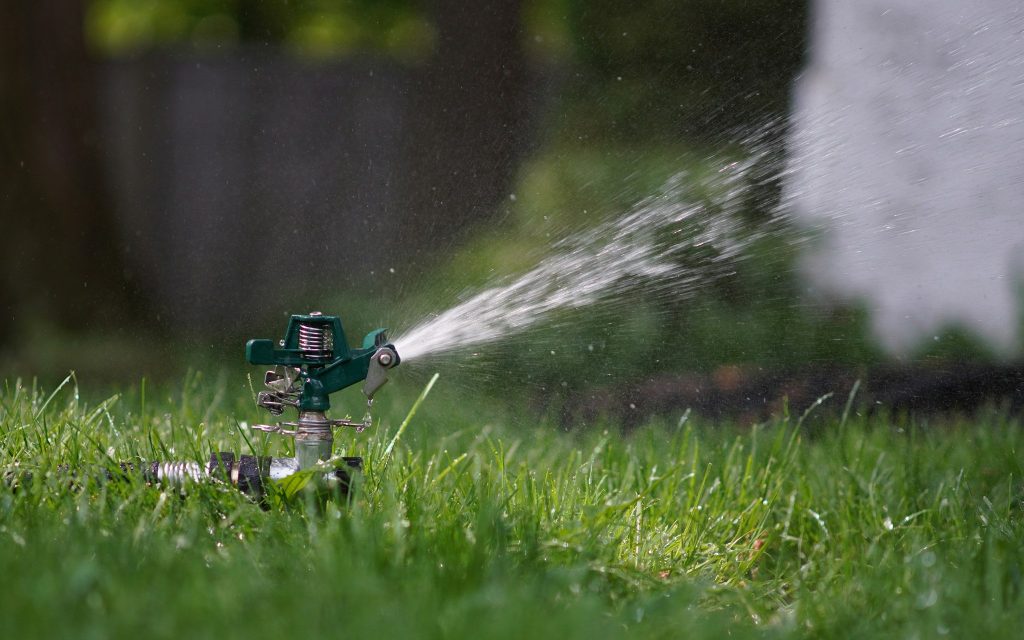
Established sunny lawns and plants need approximately 1 inch of water per week to survive.
New plantings and sunny grass seed require significantly more water.
Water Late in the Day
By late August, the episode recommends shifting watering toward the evening.
Watering after 5 p.m. allows moisture to remain available through the night.
The episode distinguishes this period from the earlier summer months when late-day watering can increase fungus concerns.
Use Surge Watering
If you have an irrigation system, multiple watering cycles can be used to build moisture gradually.
This approach is referred to in the episode as surge watering.
The key is to measure actual water output rather than relying solely on how long a sprinkler runs.
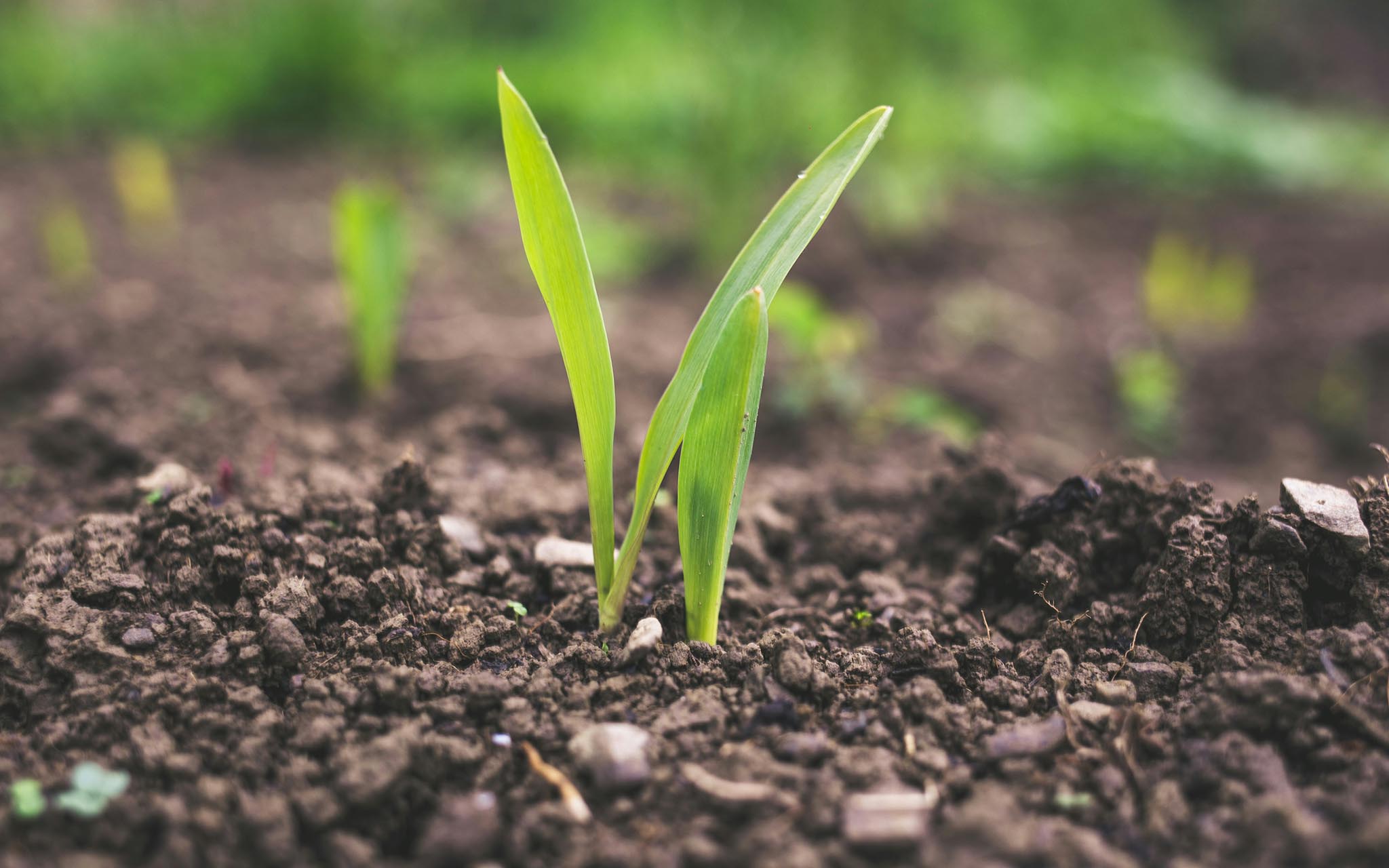
Fall Lawn Seeding Requires Water
Sunny grass seed requires substantial moisture to germinate.
Shady areas generally germinate faster because they retain moisture longer.
For sunny spot repairs, the episode recommends improving the soil and protecting the seed from direct sun and moisture loss.
Improve Soil Before Seeding
McGill’s Soil Builder is recommended as a top-dressing soil for lawn repair.
The episode emphasizes that high-quality grass seed cannot overcome poor soil conditions.
You cannot have an A+ lawn with C- soil quality.
Protect New Grass Seed
GreenView Grass Seed Accelerator is highlighted as a modern alternative to traditional straw.
It helps:
- Maintain moisture
- Store water
- Protect seed
- Improve germination conditions
Kick-Start liquid humates can also be watered into the seed accelerator to provide longer-term moisture and nutrient support.
Avoid the Dripline Fertilizer Myth
One of the episode’s major gardening lessons is that the dripline is not the ideal place to fertilize.
The dripline represents the outer edge of a plant’s canopy where water is deflected away from the plant.
The episode recommends placing granular fertilizer:
- Approximately 1 inch away from the trunk
- Underneath the mulch
- Extending outward as appropriate for larger trees
- Never directly against the trunk
Mulch helps retain moisture and allows fertilizer to remain available to the roots.
Watch Tree Growth to Detect Starvation
A tree’s annual branch growth can reveal whether it is receiving adequate nutrition.
If a tree canopy is not full and annual growth is extremely limited, the episode suggests that inadequate nutrition may be part of the problem.
Don’t Fall for the Vinegar Weed-Killer Myth
The episode warns against using high-strength vinegar as a universal weed-control solution.
According to the program, strong vinegar can kill weeds but can also damage beneficial soil microbial life.
It is also not considered a lawn solution because it can damage the lawn as well as the target weed.
The episode instead recommends modern selective weed-control products, particularly Fertilome Weed Free Zone, when appropriate.
Neem Oil Isn’t a Universal Insect Solution
Neem oil is frequently promoted online as a cure for many serious insect problems.
The episode describes it as primarily a weak convenience spray for small insects such as aphids and warns that it may not adequately address significant landscape infestations.
Betty’s 8-page insect identification sheet is highlighted as a resource for identifying major insect problems and finding appropriate synthetic or organic treatments.
More Common Gardening Myths
The episode challenges several commonly repeated gardening recommendations, including:
- Plant deeply
- Do not fertilize until plants are established
- Native plants do not need fertilizer
- Perennials require little maintenance
- Organic weed preventers are always better
- Mulch should not touch plant trunks
- Different plants require completely different fertilizer formulas
The episode’s central position is that all plants require the same basic nutritional building blocks, with quality fertilizer providing the foundation.
Great Fertilizer Is the Foundation of Great Gardening
The episode emphasizes that nitrogen is the dominant component of Earth’s atmosphere and a fundamental plant nutrient.
Products highlighted include:
- Plant Trust
- Fertilome Start-n-Grow
- Anderson’s 18-6-17
Slow-release nitrogen is emphasized as particularly important for modern high-performance plants.
This is especially true for:
- Repeat-blooming roses
- Hydrangeas
- Encore Azaleas
- Bloom-A-Thon Azaleas
- Double Spirea
- Hardy Gardenias
These plants are capable of exceptional performance, but the episode stresses that they need consistently available nutrition to reach their potential.
Food, Water & Mulch Are the Foundation
The episode closes with a simple gardening formula:
Great landscape performance comes from food, water, and mulch.
Most gardening failures, according to the program, begin with neglect of one or more of these three fundamental requirements.
As August transitions toward fall, focus on maintaining moisture, feeding plants properly, protecting new lawn seed, controlling insects and weeds, and allowing plants to complete their flower-bud development.
August Gardening Checklist
- Control standing water and mosquito breeding areas
- Apply appropriate grub or insect control
- Water insecticides into the soil immediately
- Stop regular plant trimming
- Deadhead spent flower trusses
- Fertilize and mulch plants
- Water deeply and consistently
- Measure sprinkler output
- Protect new grass seed
- Improve soil before lawn renovation
- Avoid high-strength vinegar as a lawn weed solution
- Identify insects before treating them
- Use quality slow-release fertilizer
- Keep fertilizer near the plant’s root zone
- Maintain adequate food, water, and mulch
Final Takeaway
Late August is a critical transition point in the garden.
Mosquitoes, ticks, grubs, sod webworm, weeds, and other insects are highly active, while plants are completing the flower-bud development that will determine next year’s spring display.
At the same time, homeowners preparing for fall lawn renovation need to pay close attention to soil quality, seed coverage, and—above all—water.
The episode’s overarching message is straightforward:
Feed your plants, water them properly, maintain your mulch, and avoid the gardening myths that get in the way of good performance.