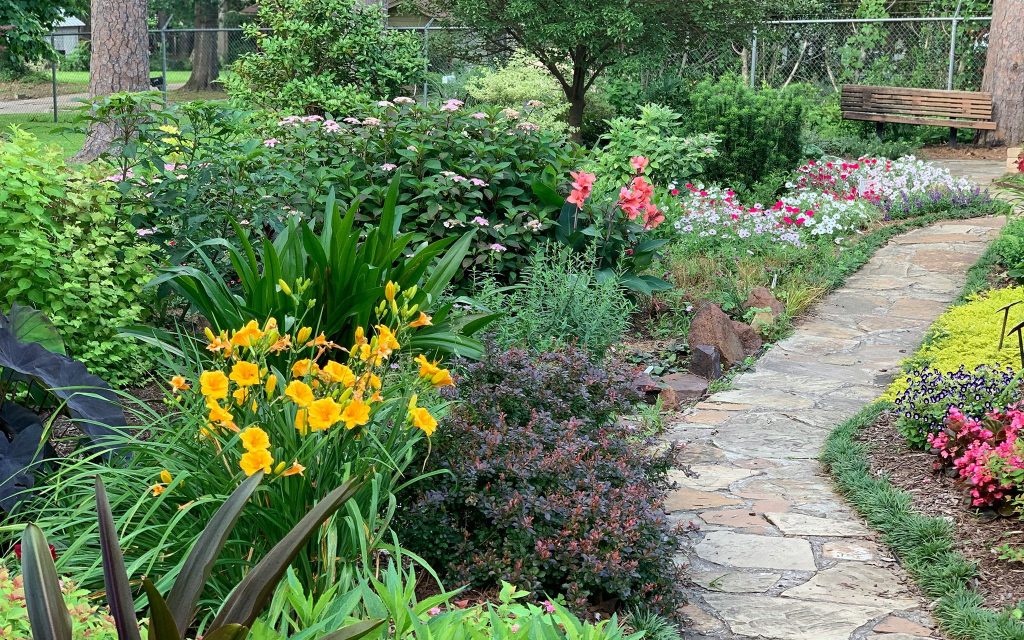
Show #151 - July Garden Success: Fertilizer, Lawn Renovation & Summer Garden Care
July is one of the most rewarding times in the garden because you can finally see the results of everything planted and cared for earlier in the year.
In Show #151 of Great Gardens Radio, Steve Cockerham focuses on the rewards of premium fertilizer, the spectacular growth of modern hybrid plants, preparing for fall lawn renovation, summer watering, insect control, and the importance of finishing July strong before August changes the gardening calendar.
You Reap What You Sow
By midsummer, gardeners can see the dramatic results of good plant selection, quality soil, proper fertilizer, water, and consistent care.
The episode highlights:
- Proven Winners annuals reaching dramatically larger sizes
- Wave Petunias loaded with flowers
- Million Bells producing continuous color
- Salvia attracting hummingbirds
- Large Mandeville vines covered in blooms
- Lamium and Dichondra Silver Falls expanding rapidly
The difference between a newly planted garden and a mature, well-fed landscape can be enormous.
High-Quality Fertilizer Creates High-Quality Gardens
One of the episode’s central messages is simple:
Plants need an energy source to thrive.
At Betty’s Azalea Ranch, fertilizer is applied across the entire nursery inventory, including:
- Annuals
- Perennials
- Shrubs
- Trees
- Roses
- Azaleas
- Hydrangeas
The program emphasizes granular fertilizer rather than liquid fertilizer for established plants because of its slow-release properties and concentrated nutrient delivery.
Fertilizer Powers Blooming Plants
The nursery’s late-summer plants demonstrate the results of consistent feeding.
Highlighted examples include:
- Encore Azaleas
- Bloom-a-Thon Azaleas
- Coneflowers
- Coreopsis
- Salvia
- Lavender
- Endless Summer Hydrangeas
- Dwarf Pugster Butterfly Bushes
- Hardy outdoor Gardenias
- Bolero Roses
Quality fertilizer helps support heavy flowering, stronger growth, and longer-lasting garden performance.
Lawn Renovation Season Starts August 15
One of the most important timing reminders in the episode concerns fall lawn renovation.
While many homeowners instinctively wait until Labor Day, the episode emphasizes that the USDA-recommended seeding season for the Mid-Atlantic begins August 15.
That means gardeners should begin preparing now.
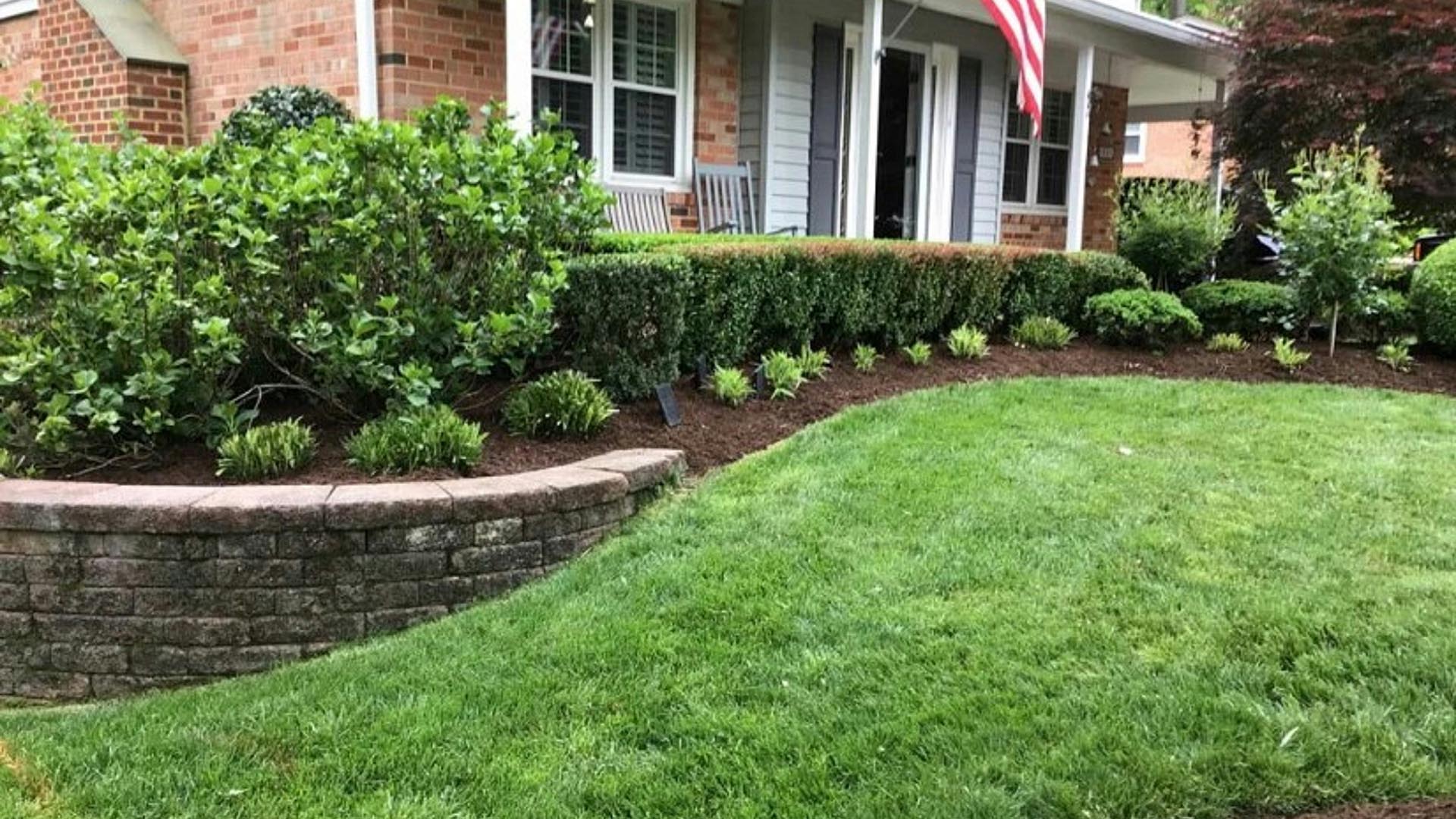
Maintain a Good Lawn Through Summer
For an established, healthy lawn:
- Apply Preferential Treatment
- Measure irrigation with a rain gauge
- Maintain at least 1 inch of water weekly on sunny lawns
- Monitor for summer stress
The goal is to maintain the existing lawn rather than unnecessarily renovate healthy turf.
Late-Day Watering Becomes Critical
Beginning August 1, late-day watering becomes especially important for new grass seed and lawn repair.
Morning watering can evaporate quickly during summer heat.
Late-day watering:
- Keeps seed moist overnight
- Takes advantage of nighttime shade
- Reduces moisture loss
- Improves germination conditions
The episode explains that lawn seed tends to germinate faster in shadier conditions because moisture lasts longer.
Prepare for Summer Lawn Spot Repair
Bare or damaged lawn spots need protection from direct summer sun.
Recommended materials include:
- McGill’s Soil Builder
- GreenView Grass Seed Accelerator
Grass Seed Accelerator is highlighted as a straw alternative that:
- Holds moisture
- Attracts additional water
- Protects exposed soil
- Helps maintain moisture around new seed
The goal is to improve the growing environment rather than simply adding excessive quantities of seed.
Identify Lawn Weeds Before Fall Renovation
Now is also an important time to identify and control weeds before fall seeding begins.
Stiltgrass is specifically highlighted as a common summer problem.
The episode recommends bringing weed samples to an independent garden center for accurate identification rather than guessing at a big-box store.
Correct identification leads to the correct treatment.
August Means No More Trimming
As August begins, the pruning calendar changes dramatically.
No more regular trimming.
August is the month when many plants begin setting flower buds for the following spring.
Instead of pruning:
- Fertilize
- Refresh mulch
- Maintain adequate water
- Keep plants thriving
Plants need enough energy and moisture to support flower-bud development.
Summer Insects Are at Their Peak
July and early August bring heavy insect activity.
Watch for:
- Japanese beetles on roses, Japanese maples, and cherry trees
- Lanternflies on edible crops
- Lace bugs on azaleas
- Gnats
- Mosquitoes
A summer insect-control program should focus on thorough coverage while avoiding blue-foliage plants such as Blue Hosta and Blue Spruce.
Protect Roses Through Summer
Roses need continued attention to remain productive into fall.
Recommended care includes:
- Firm summer trimming
- Regular fertilization
- Fresh mulch
- Preventive spraying
- Consistent deadheading
The episode recommends Bonide Rose Shield combined with Wilt-Pruf as part of the spray program.
With consistent care, roses can continue flowering well into fall.
Deadhead to Encourage More Flowers
Removing spent flowers helps direct plant energy toward continued flowering.
The episode recommends deadheading:
- Daylilies
- Roses
- Catmint
- Tall Garden Phlox
Regular deadheading can help extend the landscape’s color display.
Know Which Plants Need More Water
Water requirements vary significantly between plants.
Plants Requiring Less Water
Once established, plants such as:
- Yucca
- Lavender
- Sedum
- Russian Sage
generally require less water.
Plants Requiring More Water
Large-leaf or newly established plants require greater moisture, including:
- Hardy Hibiscus
- Gardenias
- Birch trees
- Tropical Hibiscus
- New plantings
Yellowing inner or lower foliage can be a warning sign of dryness.
Watch for Creeping Spurge
Creeping spurge becomes particularly aggressive during this time of year.
It is characterized by:
- Flat growth
- Small leaves
- Rapid spread
- A preference for older mulch beds
The episode recommends Fertilome Weed Free Zone combined with Wilt-Pruf for treatment.
The Final July Checklist
Before the growing season moves into its August transition:
- Continue feeding plants
- Maintain consistent irrigation
- Begin preparing for fall lawn renovation
- Finish appropriate summer trimming
- Scout for insects
- Deadhead flowering plants
- Watch for drought stress
- Identify weeds before they spread
- Prepare lawn repair areas
- Maintain mulch around plants
Final Takeaway
July is the payoff month for great gardening.
The plants are larger, the flowers are more abundant, and the rewards of proper nutrition and care are finally obvious. But summer success also requires preparation for what’s coming next.
As August approaches, shift your focus from trimming toward fertilizing, watering, pest control, and preparing for fall lawn renovation.
The better you care for the garden now, the more spectacular the next season can be.