Show #149 - Summer Garden Care: Why August 10 Is the Most Important Gardening Deadline
Summer’s heat doesn’t have to be your garden’s enemy. In fact, healthy, well-watered, and properly fertilized plants thrive during hot weather. This episode of Great Gardens Radio explains why August 10 marks one of the most important deadlines in the gardening calendar and offers expert advice on watering, insect control, lawn care, pruning, and preparing spring-flowering plants for next year’s blooms.
August 10: The Deadline Every Gardener Should Know
According to this week’s episode, August 10 marks the transition from the growing season into flower bud production for next spring.
During August, spring-blooming plants begin setting the flower buds that will bloom the following year, including:
- Azaleas
- Rhododendrons
- Andromeda
- Dogwoods
- Redbuds
- Flowering cherries
- Most spring-flowering shrubs and trees
To maximize next year’s blooms:
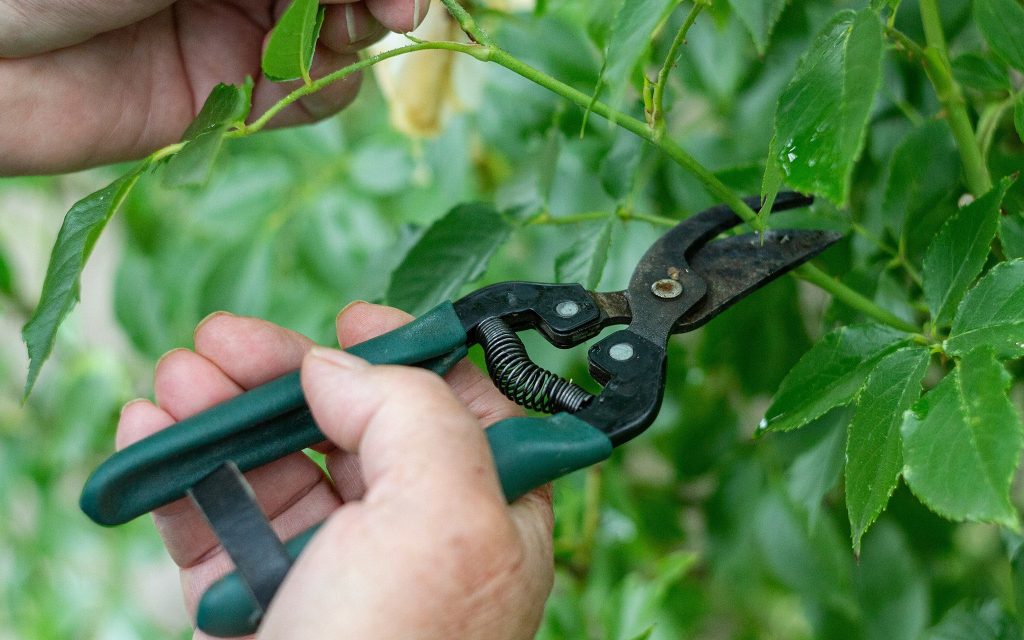
- Finish all light shaping by early August.
- Keep plants well fertilized.
- Water deeply during hot weather.
- Avoid pruning spring bloomers after August 10 until after they flower next year.
Only very light pruning (2–4 inches) is recommended before the deadline to maintain plant shape while allowing enough time for fresh growth to mature before winter.
Healthy Plants Thrive in Summer Heat
Many popular landscape plants actually enjoy summer temperatures when properly maintained.
Plants that thrive in heat include:
- Orchids
- Tropical plants
- Azaleas
- Water garden plants
The episode emphasizes that heat itself is rarely the problem. Instead, plant stress usually results from inadequate:
- Fertilizer
- Water
- Mulch
Well-fed, well-watered plants are better able to withstand periods of extreme heat and continue producing healthy new growth.
Summer Insect Control
Hot, dry weather dramatically increases insect activity.
Common summer pests include:
- Spider mites
- Chiggers
- Mosquitoes
- Sod webworms
- Lace bugs
- Lanternflies
- Yellow jackets
- Scale insects
- Tomato hornworms
Several monitoring techniques are discussed, including the white paper test for spider mites on conifers.
The episode recommends scouting regularly and treating insect problems before the growing season ends so plants have time to recover with fresh foliage before fall.
Protecting Plants from Spider Mites
Spider mites become especially active during hot, dry weather.
Plants commonly affected include:
- Dwarf Alberta Spruce
- Junipers
- Burning Bush
- Azaleas
- Rhododendrons
- Andromeda
Gardeners are encouraged to inspect plants frequently and treat infestations early before extensive foliage damage develops.
Summer Lawn Care Essentials
Maintaining a healthy lawn during summer depends on four primary practices:
Measure Your Water
Rather than watering by time alone, determine how much water your sprinkler actually applies.
The show recommends:
- Using a rain gauge
- Measuring sprinkler output
- Providing at least 1 inch of water weekly for established sunny lawns
Proper measurement eliminates guesswork and prevents both overwatering and drought stress.
Iron Is the Key to Summer Lawn Color
Instead of applying heavy nitrogen fertilizers during hot weather, the episode highlights iron as one of the most important nutrients for maintaining deep green summer turf.
Other recommendations include:
- Avoid low-quality fertilizers during heat waves.
- Sharpen mower blades regularly.
- Never mow or walk on drought-stressed turf.
- Water deeply before lawns become stressed.
Watering Landscape Plants Properly
The program explains why watering shrubs differs from watering lawns.
Best practices include:
- Water at the base of the plant rather than over the foliage.
- Use watering wands instead of spray nozzles.
- Direct water toward the root ball.
- Measure water reaching beneath dense plant canopies.
The episode also explains that the traditional “dripline” concept is often misunderstood, noting that the primary feeding roots remain close to the original root ball near the trunk.
Mulch and Fertilizer Placement
Proper placement of mulch and fertilizer improves both plant health and water efficiency.
Recommendations include:
- Apply fertilizer near the trunk while avoiding direct contact.
- Keep mulch touching the trunk.
- Avoid placing fertilizer at the dripline.
Proper mulching helps conserve moisture and protect roots throughout the hottest months of the year.
Summer Rose Care
To keep roses blooming into fall, gardeners should:
- Remove spent flowers regularly.
- Trim long stems lightly.
- Fertilize consistently.
- Monitor for insect problems.
- Continue preventive care throughout summer.
Regular maintenance encourages repeat blooming well into autumn.
Vegetable Garden Tips
Summer vegetables require continued attention during peak production.
Recommendations include:
- Fertilize tomatoes as fruit develops.
- Water at the soil level beneath foliage.
- Watch for tomato hornworms.
- Avoid handling wet foliage to reduce disease spread.
The episode also reminds gardeners that many plants with red foliage or fruit—including roses, tomatoes, Japanese maples, nandina, laurels, and cherry trees—perform best when their foliage stays dry during sunny conditions.
Yellow Jacket Safety
Unlike bees, yellow jackets can sting repeatedly.
The episode advises gardeners to:
- Locate nests during evening activity.
- Treat nests during early morning or late evening when colonies are least active.
- Exercise caution around nesting areas during summer.
Key Takeaways
Summer heat can become one of your garden’s greatest advantages when plants receive proper nutrition, consistent watering, and timely care. Finish light pruning before August 10, keep spring-blooming plants healthy as they begin setting flower buds, monitor insect activity closely, and practice accurate watering techniques to help your landscape remain healthy through summer while preparing for spectacular blooms next spring.