Show #144 - Summer Pruning, Tomato Success, and Preventing Garden Problems Before They Start
Summer is one of the most important seasons for shaping plants, improving flowering, feeding vegetables, and preventing insects and disease. This episode focuses on proper pruning techniques, maximizing blooms on repeat-flowering plants, growing healthier tomatoes, and using preventative treatments to keep lawns and landscapes thriving through the hottest months of the year.
Why Summer Is the Best Time to Trim Plants
Pruning is one of the simplest ways to dramatically improve the appearance and performance of landscape plants.
Proper trimming helps:
- create fuller, denser growth
- increase flowering potential
- improve plant shape
- reduce stress on root systems
- eliminate weak or unattractive growth
Each branch that is cut can produce multiple new branches, creating a compounding effect that increases plant density and flower production.
The Earlier You Trim, the Better
Timing matters when it comes to summer pruning.
The sooner plants are trimmed after blooming:
- the longer they have to regrow
- the more flower buds they can set
- the better they perform next season
By late summer, plants begin shifting energy toward next year’s flower bud production, making early-season trimming far more effective.
Special Rules for Repeat-Blooming Azaleas
Repeat-blooming azaleas have unique requirements.
Trim Quickly After Blooming
These plants need to begin their rebloom cycle as soon as possible.
A delayed pruning schedule reduces the time available for:
- new growth
- bud formation
- future flowering
Feed More Than Traditional Azaleas
Because repeat bloomers flower multiple times each year, they require additional nutrition.
High-quality slow-release fertilizers help provide the continuous energy needed for:
- repeated flowering
- healthy foliage
- strong root systems
Prepare Plants Before Pruning
Before trimming, plants should be:
- properly watered
- adequately fertilized
- actively growing
Healthy plants heal pruning wounds faster and resume vigorous growth more quickly.
How to Prune Evergreens
Not all plants respond to pruning the same way.
Needle-Bearing Evergreens
When pruning conifers and other needle plants:
- leave some green needles on branch tips
- avoid cutting completely into bare wood
Needles are necessary to stimulate new growth.
Broadleaf Plants
Broadleaf shrubs are much more forgiving.
These plants can often be pruned aggressively and still regenerate foliage along bare stems.
Improve Airflow by Removing Dead Interior Growth
Many mature evergreens develop dead branches inside their canopy.
Removing this material:
- improves air circulation
- reduces disease pressure
- allows more sunlight into the plant
- improves overall appearance
Summer is an ideal time for this cleanup work.
Limb Up Trees for Better Lawn Performance
Rather than aggressively topping trees, focus on raising lower branches.
Benefits include:
- more sunlight reaching the lawn
- improved air movement
- healthier turf beneath trees
- better landscape visibility
This simple adjustment can dramatically improve lawn quality in shaded areas.
Finish Major Pruning Before August
As summer progresses, plants begin preparing for next year’s flowers.
Major pruning should generally be completed before early August to allow sufficient time for:
- regrowth
- bud formation
- winter preparation
Waiting too long can reduce next season’s bloom production.
Fruit Trees and Vegetables Need Extra Nutrition
Any plant producing a crop has increased nutritional demands.
Heavy feeders include:
- fruit trees
- blueberries
- raspberries
- tomatoes
- peppers
- cucumbers
Producing fruit requires tremendous energy, making consistent feeding critical throughout the growing season.
Why Tomatoes Need Calcium
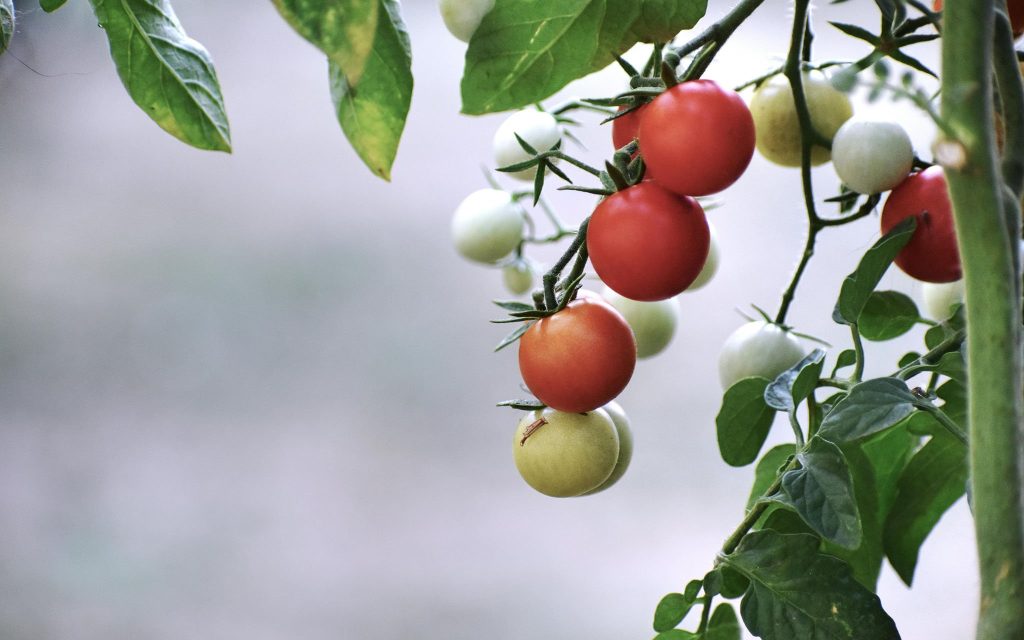
One of the most important lessons from this episode is the importance of calcium.
Calcium deficiencies often contribute to:
- blossom drop
- poor fruit set
- blossom-end rot
- weak fruit development
Hydrated lime provides immediately available calcium and remains an important tool for vegetable gardeners.
Feed Tomatoes as They Grow
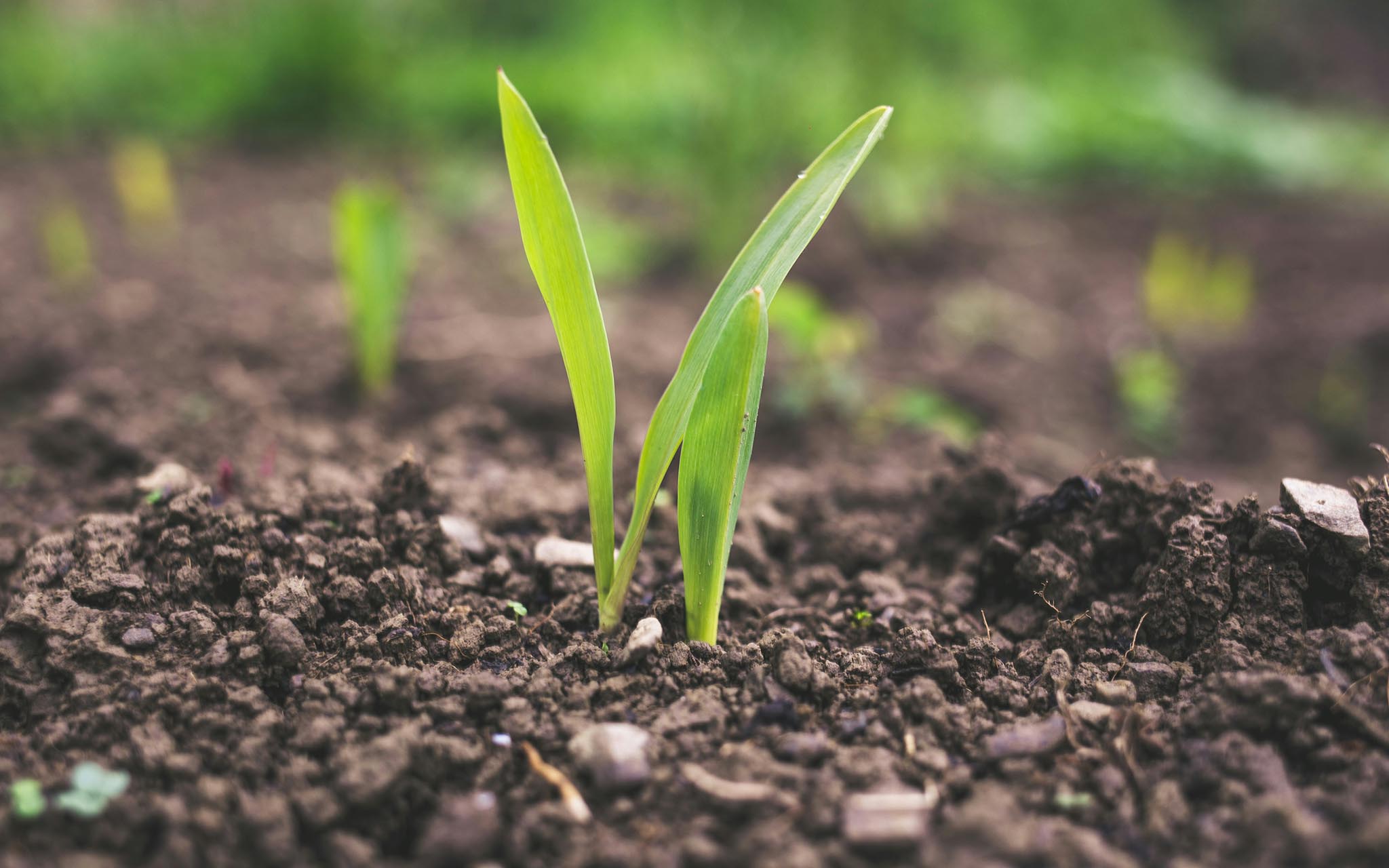
A tomato seedling may start at only a few inches tall, but by midsummer it can become a massive, heavily producing plant.
As growth increases, so do demands for:
- fertilizer
- water
- calcium
- organic matter
Regular feeding helps support vigorous growth and larger harvests.
Watch for Early Blight on Tomatoes
Early blight commonly begins near the bottom of tomato plants.
Warning signs include:
- yellow lower leaves
- leaf spotting
- progressive upward movement through the plant
Removing affected foliage quickly can slow disease spread and improve airflow.
Preventative fungicide programs can also help reduce future problems.
Organic Additives That Improve Vegetable Gardens
Many gardeners can boost plant performance by adding supplemental organic nutrients.
Popular options include:
- fish emulsion
- seaweed extracts
- worm castings
- blood meal
- alfalfa meal
- compost-based starters
Adding nutrient diversity often improves plant vigor and soil health.
This Week’s Lawn and Garden Checklist
Protect Lawns From Summer Fungus
Apply preventative fungicides before disease becomes visible.
Preventative applications are typically far more effective than curative treatments.
Improve Summer Lawn Color
Iron-rich lawn products can help maintain:
- deep green color
- summer vigor
- stress resistance
Products containing humates and wetting agents provide additional benefits for root development and moisture management.
Fertilize and Trim Spring Bloomers
Now is the ideal time to:
- prune azaleas
- fertilize shrubs
- encourage new growth
- prepare plants for next year’s blooms
Monitor for Insects
Inspect plants regularly for:
- lace bugs
- lanternflies
- spider mites
- rose midges
- caterpillars
Early detection prevents larger infestations later in summer.
A Simple Way to Detect Hidden Insects
Tiny insects are often difficult to see directly.
An easy technique:
- Hold white paper beneath a branch.
- Shake or tap the foliage firmly.
- Examine what falls onto the paper.
This method helps identify:
- mites
- aphids
- small caterpillars
- other hard-to-see pests
Use Sticky Traps for Monitoring
Professional growers frequently use yellow sticky cards to monitor insect populations.
These traps help:
- identify pest activity early
- track population increases
- determine when treatment may be needed
Watch for Scale Insects
Scale insects can become serious pests on:
- hollies
- camellias
- crepe myrtles
Symptoms often include:
- white cottony growth
- sticky honeydew residue
- black sooty mold
- increased ant activity
Scale infestations often attract multiple secondary pests, creating larger plant health issues.
Why Scale Is Difficult to Control
The protective covering of scale insects makes many traditional sprays ineffective.
Systemic treatments applied through the root zone are often more successful because they allow the plant to absorb protection internally.
Early detection remains the best defense.
Final Takeaway
Summer gardening success comes from proactive care rather than reactive treatments. Prune shrubs early, feed flowering plants and vegetables consistently, monitor for insects before damage becomes severe, and protect lawns from summer stress before symptoms appear.
Small maintenance tasks completed now often prevent much larger problems later in the season.