Show #140 - May Garden Care: Pest Prevention, Better Fertilizers, and Nature’s Caterpillar Season
May is when the garden explodes with life — and with it comes insects, fungus pressure, and rapid plant growth. This episode focuses on creating an all-in-one yard protection spray, choosing better fertilizers, feeding spring bulbs correctly, and understanding the incredible balance of nature during caterpillar season.
Build Your Own Complete Yard Protection Spray
One of the biggest takeaways from this episode is that homeowners can often do a better spraying job themselves than hiring a service.
The Base Spray Mix
In a quality pump sprayer, combine:
- 1 gallon very warm water
- 3–5 oz Wilt-Pruf
Wilt-Pruf helps laminate the spray onto foliage for up to 3–5 weeks.
Recommended sprayers:
- Smith pump sprayers
- Solo pump sprayers
Best Insect and Fungus Control Combination
Recommended insecticides include:
- Monterey Bug Buster
- Hi-Yield Bug Blaster
Add:
- 1–2 oz fungicide
- Fertilome F-Stop or Monterey Agri-Fos
This combination creates a full-spectrum prevention mix for:
- insects
- fungus
- moisture stress
Benefits include:
- long-lasting coverage
- reduced respraying
- improved adhesion even in rain
Morning applications remain best because dew helps distribute the product evenly.
Where to Spray for Maximum Protection
Important spray targets include:
- cherry trees
- roses
- fruit trees
- sun-exposed plants
- fungus-prone perennials
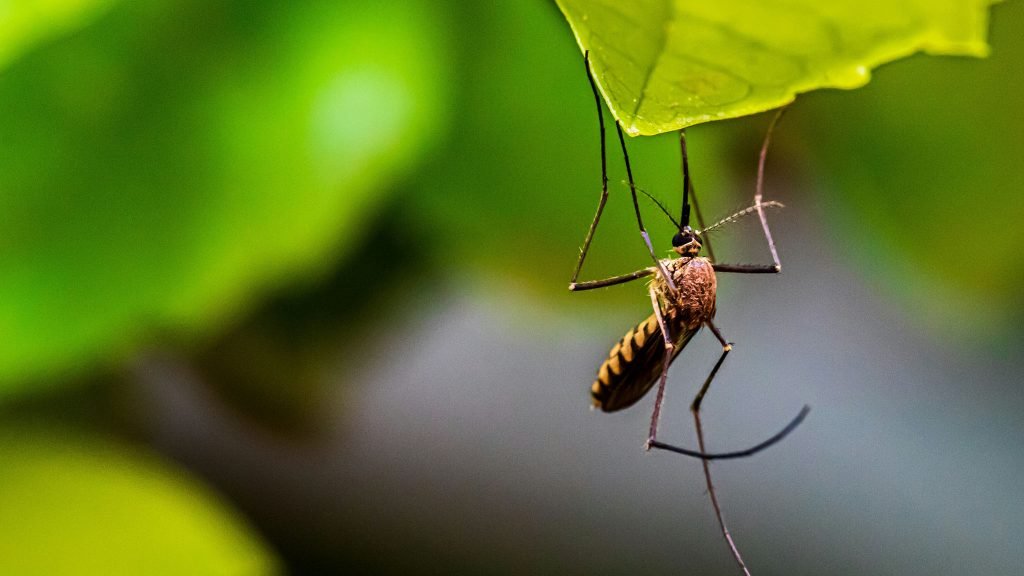
Mosquito Prevention Areas
Focus on dead-air spaces where mosquitoes breed:
- under decks
- under carports
- between hedges and walls
- around standing water
Also inspect:
- saucers beneath containers
- shaded damp areas
Long-Term Mosquito and Gnat Control
Additional mosquito control options include:
- mosquito dunks
- mosquito bits
- hose-end mosquito sprays
- treated clothing sprays
Protective clothing treatments can remain active through multiple washes, making them useful for gardening and outdoor activities.
Fungus-Prone Plants Need Attention Now
Certain plants consistently struggle with fungus during warm, humid weather.
Key targets include:
- bee balm
- garden phlox
- roses
Preventative spraying now helps avoid larger disease outbreaks later in summer.
Stop Buying Outdated Fertilizers
A major focus of this episode is fertilizer quality.
The recommendation:
avoid outdated, low-performance fertilizers
Examples mentioned include:
- 10-10-10
- 5-10-5
- heavily diluted liquid fertilizers
Problems with these products:
- no slow release
- limited trace elements
- short feeding cycles
- excessive salt content
The Truth About Organic vs Synthetic Fertilizers
This episode explains that good gardening often combines both approaches.
Organic Fertilizers
Benefits:
- nutrient diversity
- soil biology support
Limitations:
- weaker nitrogen levels
- lower long-term feeding power
Synthetic Fertilizers
Benefits:
- stronger nutrient delivery
- longer feeding cycles
- more concentrated performance
The best strategy is often:
combine synthetics for strength with organics for diversity
What Great Fertilizers Include
High-performance fertilizers should contain:
- slow-release nitrogen
- trace elements
- balanced nutrient delivery
Recommended examples include:
- Plant Trust
- Fertilome Start-n-Grow
- Anderson’s 18-6-12
- Agriform tablets
- Show Turf
These products provide stronger feeding with lower salt impact than many older fertilizers.
Feed Your Spring Bulbs Now
Spring bulbs are entering an important recovery phase.
Once blooms fade, bulbs must rebuild stored energy for next year.
Important bulbs to feed include:
- tulips
- daffodils
- hyacinths
- snowdrops
Healthy bulb recovery directly impacts next year’s flower performance.
Gardening Success Matches Work Investment
One of the most memorable lessons from this episode:
plant performance reflects work investment
Strong results come from:
- proper feeding
- preventative care
- consistent watering
- timely maintenance
Doing things correctly the first time prevents larger problems later.
Miracles of Nature: Caterpillar Season
This episode closes with a fascinating look at spring caterpillars and pollinators.
Nature’s Seasonal Balance
- April produces massive leaf growth
- May produces caterpillars to consume it
More than 150 caterpillar species emerge this time of year.
Remarkable Caterpillars and Moths
Highlighted examples include:
Saddleback Caterpillar
- colorful “saddle” pattern
- hidden stingers
- highly defensive
Luna Moth
- giant nighttime moth
- attracted to moon vine flowers
- feeds only at night
Tomato Hornworm
Though destructive in gardens, it eventually transforms into the beautiful hummingbird moth.
The hummingbird moth:
- flashes green and purple colors
- hovers like a hummingbird
- feeds constantly on nectar
This reminder encourages gardeners to appreciate nature’s full life cycle — even when certain stages challenge the garden.