Show #139 - Early May Garden Care: Seedlings, Caterpillars, Lime, and Lawn Recovery
Early May brings explosive plant growth — and a wave of new garden challenges. Tree seedlings begin appearing everywhere, caterpillars emerge in large numbers, lawns need pest attention, and vegetable gardens move into full planting season. This episode focuses on solving these common spring problems while strengthening lawns, flowers, shrubs, and vegetables for the months ahead.
Tree Seedlings Are Everywhere Right Now
One of the biggest spring nuisances is the sudden appearance of tree seedlings in lawns and mulch beds.
Common offenders include:
- maple seedlings
- redbuds
- oak seedlings
- poplar seedlings
These volunteer trees spread aggressively through seed production.
Don’t Pull Them by Hand
Hand pulling can disturb soil and leave roots behind.
Recommended spray mix:
- 2 oz Fertilome Weed Free Zone
- 1 oz Wilt-Pruf
- 1 gallon hot water
Wilt-Pruf helps the spray adhere completely to the foliage for better control.
How to Spray Weeds Safely Around Plants
When weeds are growing close to desirable plants, drift protection becomes critical.
A simple trick:
- place a Styrofoam cup over the spray tip
This allows:
- spot spraying
- precise targeting
- protection of nearby flowers and shrubs
Especially useful in tight mulch beds and foundation plantings.
Why Some Weeds Are Harder to Kill
Certain weeds naturally resist many herbicides because of thick waxy coatings.
Examples include:
- clover
- violets
- wild garlic
- wild onions
Weed Free Zone works especially well because it is an ester-based herbicide, allowing it to penetrate waxy foliage more effectively than many common weed killers.
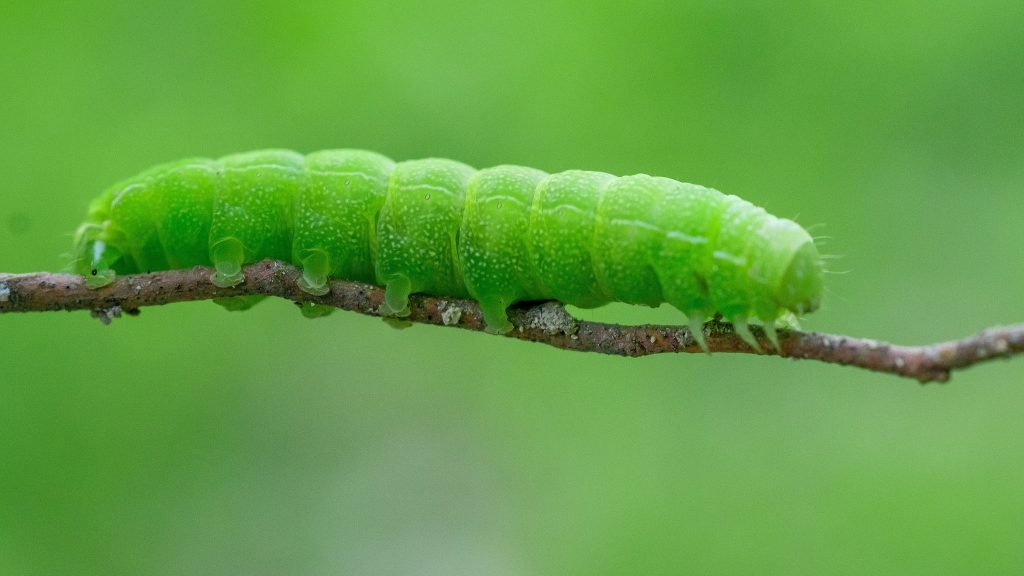
Tent Caterpillars Are Active Now
Tent caterpillars are building nests in cherry trees and other ornamentals.
These web-like nests appear in branch crotches and expand quickly.
Best treatment timing:
- early morning
- late afternoon or evening
That’s when caterpillars are inside the nest.
Best Caterpillar Control
Recommended treatment:
- Monterey Spinosad
This is one of the most effective caterpillar controls available and works well on many chewing insects.
May Is Caterpillar Season
This episode highlights an important seasonal shift:
- April produces massive leaf growth
- May produces caterpillars that feed on it
Nature balances rapid foliage expansion with equally rapid insect activity.
Monitoring plants now helps prevent serious damage later.
Rose Care and Rose Rosette Prevention
Small caterpillars and midge insects can quickly damage rose foliage.
Recommended spray mix:
- 3 oz Rose Shield
- 5 oz Wilt-Pruf
- 1 gallon water
Benefits include:
- insect control
- disease protection
- extended spray coverage for up to five weeks
Wilt-Pruf also helps suppress mites associated with Rose Rosette Disease, one of the most serious rose problems.
Freeze Damage on Crepe Myrtle? Don’t Panic
Late frosts can damage emerging crepe myrtle growth.
Good news:
- damaged foliage can simply be removed
- plants will re-leaf
- flowering is usually unaffected
Best response:
- trim off damaged growth
- fertilize heavily
- allow new shoots to emerge
Even severely damaged plants often recover fully.
Vegetable Gardens Need Hydrated Lime
One of the strongest messages in this episode:
vegetable gardens require hydrated lime
Apply hydrated lime directly into planting holes before planting vegetables.
Why it matters:
- immediately available to plants
- improves nutrient uptake
- supports strong growth
Important distinction:
- hydrated lime works immediately
- pelletized lawn lime may take months to activate
This is especially important for:
- tomatoes
- peppers
- leafy vegetables
Lime Helps More Than Vegetables
Many plants benefit from additional lime.
This includes:
- lawns
- annuals
- perennials
- clematis
Clematis especially benefits because stronger vines help reduce stem cracking and wilt issues.
Prune Forsythia Immediately After Bloom
Forsythia should be pruned hard right after flowering.
Benefits:
- stronger new growth
- fuller shape
- more blooms next spring
Always fertilize after pruning to support regrowth.
Treat Grubs, Moles, and Voles Now
If lawns show signs of:
- mole tunnels
- vole activity
- grub damage
Now is the key treatment window.
Recommended treatment:
- Dylox 24 Hour Grub Killer
Missing this timing may delay effective treatment until August.
Shady Lawn Season Is Here
May remains one of the best periods for improving shady lawns.
Why shady lawns work differently:
- lower weed pressure
- less crabgrass competition
- cooler soil conditions
Sunny lawns become harder to seed once weed preventers are applied.
Best Fix for Thin Sunny Areas
For small damaged sunny areas:
- use custom-cut sod patches
After watering twice, sod often establishes within one week.
Final Reminder: Ask Questions Early
Spring problems are easiest to solve early.
Gardeners are encouraged to:
- send photos of lawn and plant issues
- ask questions before damage spreads
- diagnose problems quickly
Early action creates healthier lawns and landscapes all season.