Show #134 - Late March Lawn Care: Stop Weeds Before They Explode
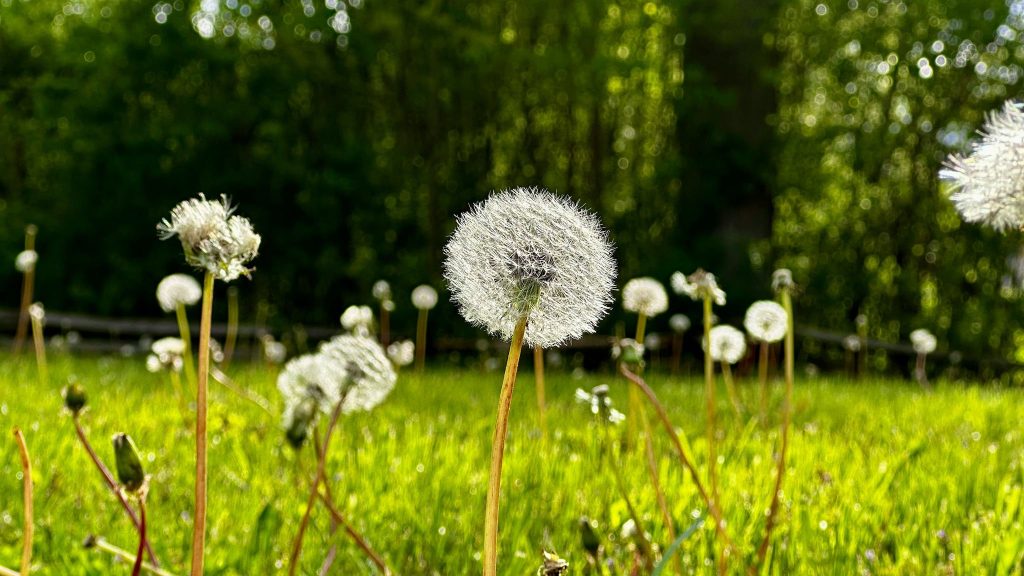
Late March is a critical turning point in lawn care. As daylight increases, weeds shift into seed production — and once that happens, the battle multiplies fast. This episode focuses on stopping weeds now, improving soil conditions, and making smart spring decisions that pay off all season.
The Hidden Danger: One Weed = Hundreds of Thousands More
Weeds are entering their most dangerous phase — seed maturation.
Key insight:
- One weed can produce up to 600,000 seeds
- “One year of weeds equals seven years of seeds”
- Dying weeds leave bare spots for new weeds
If you miss this window, you’re not just dealing with weeds this year — you’re setting up problems for years to come.
How to Stop Existing Weeds Before They Seed
Now is the time to act aggressively.
Best spray strategy:
- Mix 1.5 oz Weed Free Zone + 1 oz Wilt-Pruf
- Use warm water to improve chemical effectiveness
- Spray before weeds mature and drop seed
Why this works:
- Warm water “activates” the chemistry
- Wilt-Pruf acts as a spreader-sticker, coating 100% of the leaf
- Locks product on even in rain
Without a spreader-sticker, you may only hit 20% of the plant. With it, you get full coverage and maximum kill.
Making Weed Control Safer and More Effective
Wilt-Pruf does more than improve performance.
Benefits:
- Helps protect pollinators like bees
- Reduces chemical exposure unless leaves are eaten
- Stays active on plants for up to a week
Bonus benefit:
- Brief tackiness can help control mites — a major threat to bees
General rule:
- Use at least 1 oz per gallon in sprays
- Use more for longer-lasting insecticide applications
The “Bermuda Triangle” of Weed Control
Long-term weed success requires three steps working together:
1. Kill existing weeds
- Use Weed Free Zone to eliminate what’s growing
2. Prevent new weeds
- Apply Gallery to block 150+ broadleaf weeds for 6–9 months
3. Fix the soil
- Apply lime to raise pH
Why soil matters:
- Weeds thrive at pH 4.5
- Lawns thrive at pH 6.5
- That’s a massive difference in growing conditions
Weeds are a signal — your soil needs correction.
Should You Bag Grass Clippings in Spring?
Yes — especially early in the season.
Here’s why:
- Grass doesn’t decompose below ~67°F
- April produces the heaviest clippings of the year
- Clippings trap moisture and can introduce fungus
Important facts:
- Grass blades are 93% water
- They do not provide meaningful nutrition when left behind
- Clumping ruins lawn appearance and airflow
Best practice:
- Bag clippings in spring
- Compost them instead (add lime to speed breakdown)
Spring Plant Care: Trim, Feed, and Mulch
Late March is prime time to reset your landscape.
Trim now:
- Evergreens (holly, yew, juniper, arborvitae, pine)
- Summer bloomers (crape myrtle, butterfly bush, spirea)
Fertilize now:
- Apply root-feeding fertilizers
- Feed near the trunk (not the drip line)
- Avoid direct trunk contact
Mulch immediately after:
- Use shredded hardwood bark mulch
- Allow mulch to touch the trunk
- Helps insulate roots and retain moisture
Key principle:
It’s not how much water you get — it’s how much you keep.
Mulch Matters More Than You Think
Not all mulch is created equal.
What to look for:
- 100% hardwood bark mulch
- Long shredded pieces that interlock
- Better moisture retention and slope stability
What to avoid:
- Dyed mulch (often low-quality wood)
- “Blends” with only small percentages of real material
Example:
- “Cedar blend” may contain only 4% cedar
- True premium mulch is 100% of the labeled material
What to Plant Now (and What to Avoid)
You can safely plant certain items before mid-April.
Safe to plant now:
- Salvia, helleborus, geraniums, lobelia
- Cool-season vegetables (lettuce, kale, broccoli, peas)
- Perennials like scabiosa
Hold off on:
- Vinca and begonias (cold-sensitive)
- Tomatoes and peppers (wait until Mother’s Day)
Cold-hardy favorites like pansies and violas remain safe choices.
Local Gardening Advantage: The DC Sweet Spot
Living in the Washington, DC metropolitan area gives gardeners a unique edge.
You can successfully grow:
- Northern and southern plant varieties
- A wider range than most U.S. regions
Take time to enjoy the season at:
- Great Falls Park
- Brookside Gardens
- U.S. National Arboretum
Spring arrives fast — don’t miss it.
Final Reminder: Don’t Skip Weed Prevention
If you missed early applications for stiltgrass:
- Apply Dimension now
- Partial prevention (95%) is far better than none
Timing still matters — act immediately.