Show #130 - March Lawn Care: Winning the War on Winter Weeds
March signals the true beginning of spring — and the explosive arrival of the winter weed family. Even before snow fully melts, more than 160 leafy broadleaf weeds are already germinating. This episode of Great Gardens Radio explains how to stop them now, avoid common spring mistakes, and set lawns and plants up for long-term success.
Understanding the Winter Weed Explosion
Winter weeds are all leafy weeds, not grassy ones. Every weed you see from now through early June falls into this category.
Key facts:
- Over 160 winter broadleaf weeds
- Many reproduce as both annuals and perennials
- Roots form early, foliage explodes later
Stopping them requires prevention, elimination, and soil correction — all working together.
The Three-Step Winter Weed Strategy
1. Prevent Germination
Gallery is the only product on the market that prevents all 160 broadleaf winter weeds for 8–9 months.
If you didn’t apply Gallery last fall, now is the time.
Important reminder:
- Gallery goes on top of mulch, not underneath
- Apply with a handheld spreader
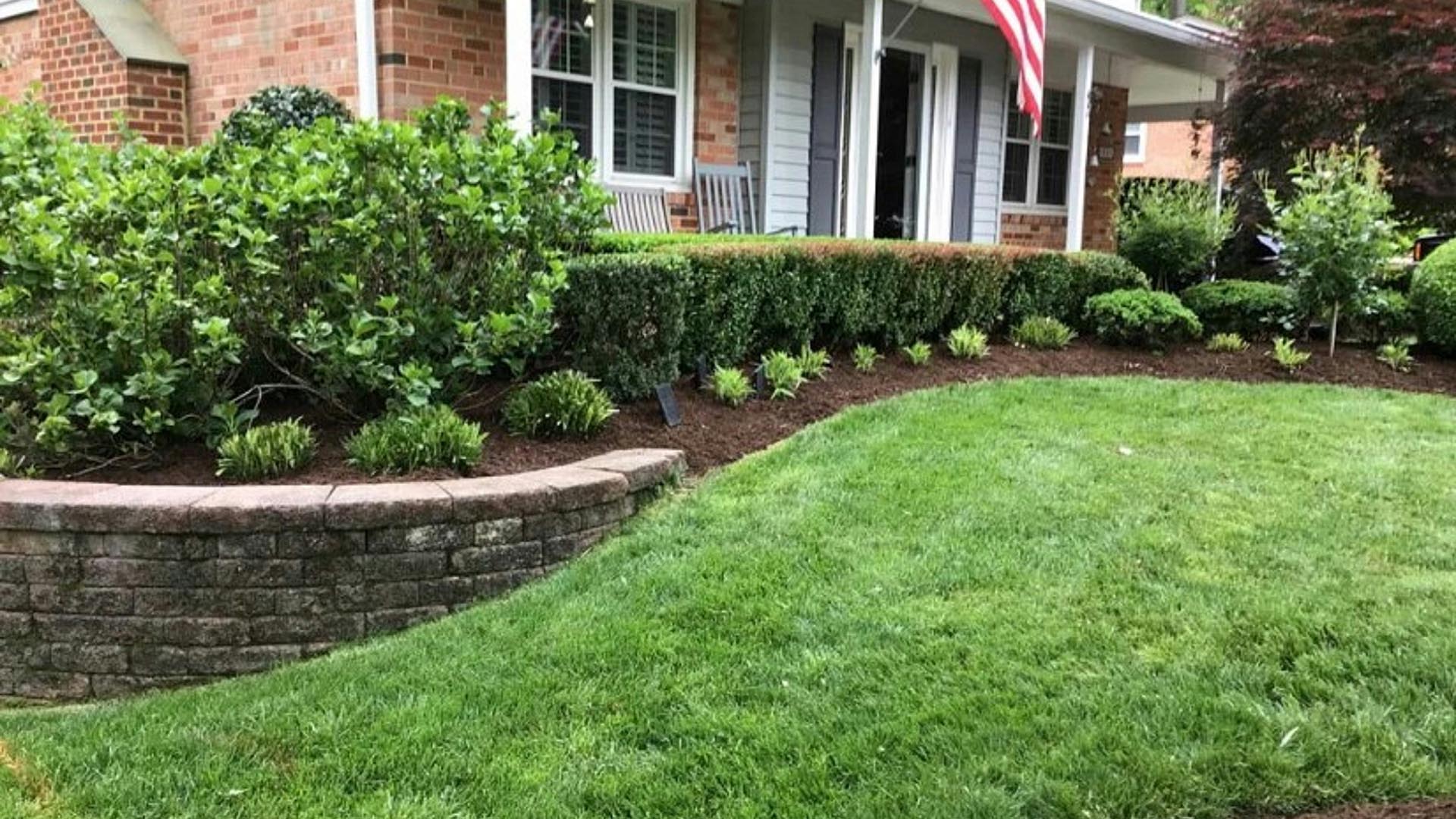
- Focus on mulch beds and lawn edges (80% of weeds live here)
2. Kill What’s Already Growing
Fertilome’s Weed Free Zone eliminates existing leafy weeds without harming grass. Every weed you see now should be killed before it sets seed.
3. Change the Environment Weeds Love
Weeds prefer acidic soil (pH 4.5). Lawns thrive in alkaline soil (pH 6.5).
That difference represents 200 points on the pH scale.
Actions to take now:
- Lime if you haven’t in one year
- Fertilize ASAP to boost root growth
- Create conditions weeds hate
Feed Plants After a Tough Winter
Now is the best time to fertilize:
- Trees
- Shrubs
- Evergreens
- Perennials
Use products like Plant Trust or Fertilome’s Start-n-Grow to rebuild strength after winter stress.
Immediately mulch afterward to protect roots and lock in nutrients.
Warning: Ignore March Crabgrass Ads
You’ll hear dozens of ads pushing crabgrass preventers in March — ignore them.
Why:
- Box-store crabgrass preventers last only 10 weeks
- Applied too early, they fail before crabgrass germinates
When and How to Prevent Crabgrass Properly
Dimension Is the Gold Standard
- One application lasts all season
- Non-toxic and non-staining
- Does not root prune
- Affordable
Best timing:
- April 15 is ideal
- Any time during April works
Two Important Exceptions
Stiltgrass in heavy shade
- Apply Dimension by March 20
- Loves shade, moisture, and low areas
- Existing stiltgrass can be selectively killed
Seeding a sunny lawn in spring
- Apply Tenacity granular April 15–20
- Seed lawn
- After mowing once or twice, apply Dimension
- This two-step approach is the only solution
March Lawn Health Indicator
March reveals lawn strength:
- First lawn to green up = strongest
- Last lawn to green up = weakest
This visual cue tells you where soil improvement, fertilization, and overseeding are needed.
Cold-Damaged Plants: What to Do Now
After winter damage:
- Trim off dead or damaged foliage
- Fertilize immediately
Now is the best trimming window of the year for:
- Evergreens
- Roses
- Summer bloomers
Old gardening rule:
The harder the winter, the harder the spring trim.
Do not trim spring bloomers until after flowering.
Sunny vs. Shady Lawn Seeding
Sunny and shady lawns behave completely opposite.
Sunny Lawns
- Spring seeding not recommended
- Seeds won’t germinate until nights stay above 45°
- Root growth is lost once top growth begins
Shady Lawns
- Germinate twice as fast
- Can be seeded beginning in March
- Thrive without summer leaf drop stress
Critical warning:
- Never apply crabgrass preventer in shade
- Crabgrass does not grow in shade
Why Shade Seed Quality Matters
Shade seed blends should include:
- Chewings fescue
- Fine or hard fescue
- Perennial rye
- Minimal bluegrass
Quality standards:
- 99% pure seed
- Not 48% filler like box stores
- Smaller seed size
- Higher performance
Shade seed costs more — because it works.
Understanding Sun Exposure Correctly
In gardening, sun only counts 11 a.m. to 5 p.m.
That’s when you’d get a suntan — and when plants truly receive usable light.
Categories:
- Light shade: 3 of 6 hours
- Medium shade: 2 of 6 hours
- Dense shade: 1 of 6 hours
Sun exposure can change in a single step across a yard, requiring different grass seed or plants.
Why Plant Placement Matters
Needle evergreens demand sun:
- Juniper
- Arborvitae
- Pine
- Spruce
- Cypress
Many leaf plants tolerate both sun and shade.
Correct placement maximizes performance — which is why landscape design matters.