Show #126 - Garden Myths Exposed: Fertilizer, Mulch, Weeds & Chemical
One of the most expensive mistakes gardeners make is believing garden myths. In this episode of Great Gardens Radio, we break down the most common misconceptions about weeds, fertilizers, mulch, chemicals, and soil — and replace them with professional-grade solutions that actually work.
Myth #1: Vinegar Is a Safe Weed Killer
Vinegar kills weeds through toxicity, not chemistry.
- It sterilizes soil and prevents future germination
- It destroys beneficial microbes
- It has no selectivity — everything dies
If vinegar truly worked, the gardening industry wouldn’t spend millions on research, testing, registration, and education. It is not a solution — it is collateral damage.
Even worse, vinegar sprayed to kill insects like spotted lantern fly will also kill the host plant — including Japanese maples.
The Goal: Selective Solutions With Limited Damage
Professional gardening focuses on precision, not destruction.
- Image All-in-One mixed with Wilt-Pruf can kill ~90% of weeds
- Grass seed can be applied immediately afterward
- Tough weeds like mugwort, stiltgrass, bamboo, and thistle require targeted solutions
Never destroy the living biology of your soil in the name of convenience.
Myth #2: Liquid Fertilizers Are Effective
Liquid fertilizers are diluted 256 times before reaching the plant.
- No slow-release nitrogen
- No sulfate of potash
- No trace elements
- High salt content
Granular fertilizers deliver actual nutrition. Liquids mostly deliver water.
Myth #3: Old Fertilizers Still Work
Fertilizers like 10-10-10, 10-6-4, and 5-10-5 were created before slow-release technology existed.
- Weak nitrogen
- Extremely high salts
- Short-lived feeding
- Cost up to 5× more per pound of nitrogen
They are nutritionally outdated and damaging to soil health.
Myth #4: Mulch Must Never Touch the Trunk
This myth came from confusion with volcano mulching, which is harmful.
In nature:
- Bark and leaves fall naturally against trunks
- The most efficient feeder roots live near the trunk
- Mulch touching bark improves moisture retention
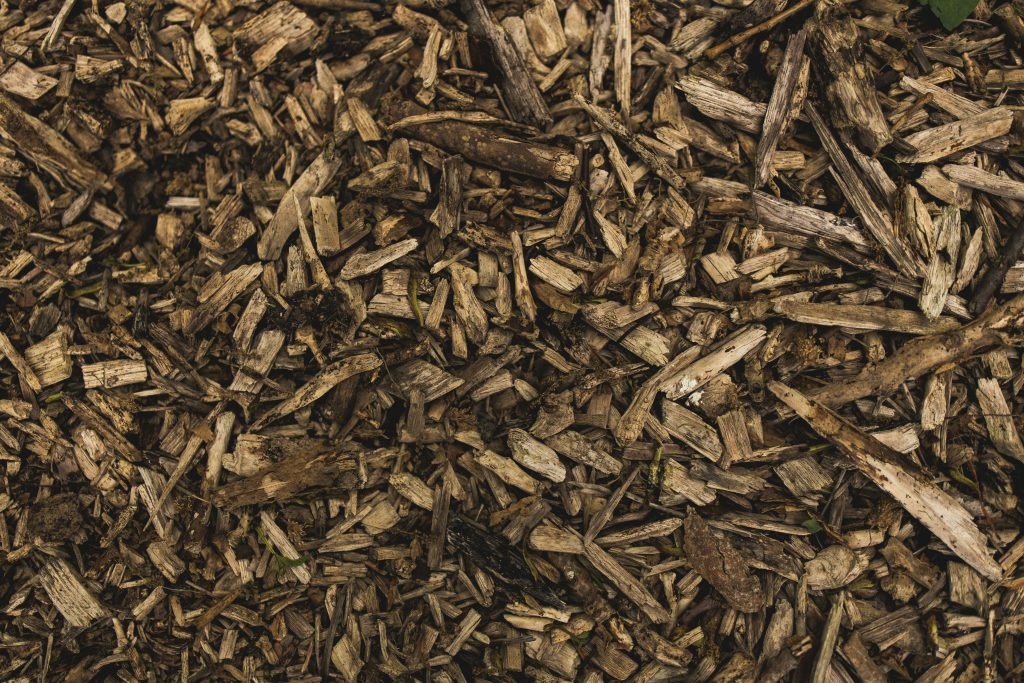
The real danger is colored grindings mulch, which is heartwood — not bark.
Always use shredded hardwood bark mulch.
Myth #5: Chemicals Are Bad
Everything alive is made of chemicals — including humans.
- Properly used chemicals are miracle tools
- Labels exist for safety and effectiveness
- Wilt-Pruf laminates chemicals, reducing toxicity
When combined correctly, chemicals protect 95% of beneficial insects while targeting the 5% that cause damage.
Myth #6: Organic Fertilizers Are Always Better
Most organic fertilizers are manure-based:
- High in salts
- Weak nitrogen
- Limited trace elements
If nitrogen is below 4, it’s effectively zero.
Even popular organic products have been weakened due to exposure concerns, removing critical nutrients that plants need to thrive.
The Truth About Big Lawn Brands
Large brands are marketing companies — not performance companies.
- Bag weights have been cut in half
- Slow-release content reduced from 70% to 7%
- Grass seed percentages as low as 7.2%
Always read the “box of truth” on the back of the bag.
Grass Seed Myths
- There is no “water saver” grass seed
- Tall fescue water needs are consistent across varieties
- Brand names do not equal performance
Seed quality is about purity and percentage, not marketing language.
Weed Barriers & Preen: Why They Fail
- Weeds come from the air, not the soil
- Barriers reduce oxygen exchange by ~50%
- Old yellow-family weed preventers prune roots
Preen lasts about 10 weeks and stops ~40 weeds.
The Professional Weed Prevention System
Fall & Winter Weeds
- Apply Gallery starting 30 days after fall equinox
- Prevents 150 broadleaf weeds
- Lasts 6–9 months
- Safe, non-toxic, no root pruning
Spring & Summer Weeds
- Apply Dimension around April 20
- Stops crabgrass and goosegrass
- Can kill weeds up to 2 weeks after germination
- One application lasts all summer
All weed preventers go over mulch — never underneath.
Cost, Performance & Results
When compared properly:
- Gallery is 400% cheaper per week
- 800% cheaper per weed species
- Longer lasting
- Safer for plants and soil
Professional results come from professional timing and products.