
Show #124 - Winter Gardening Secrets: Feeding Soil for Healthier Plants Year-Round
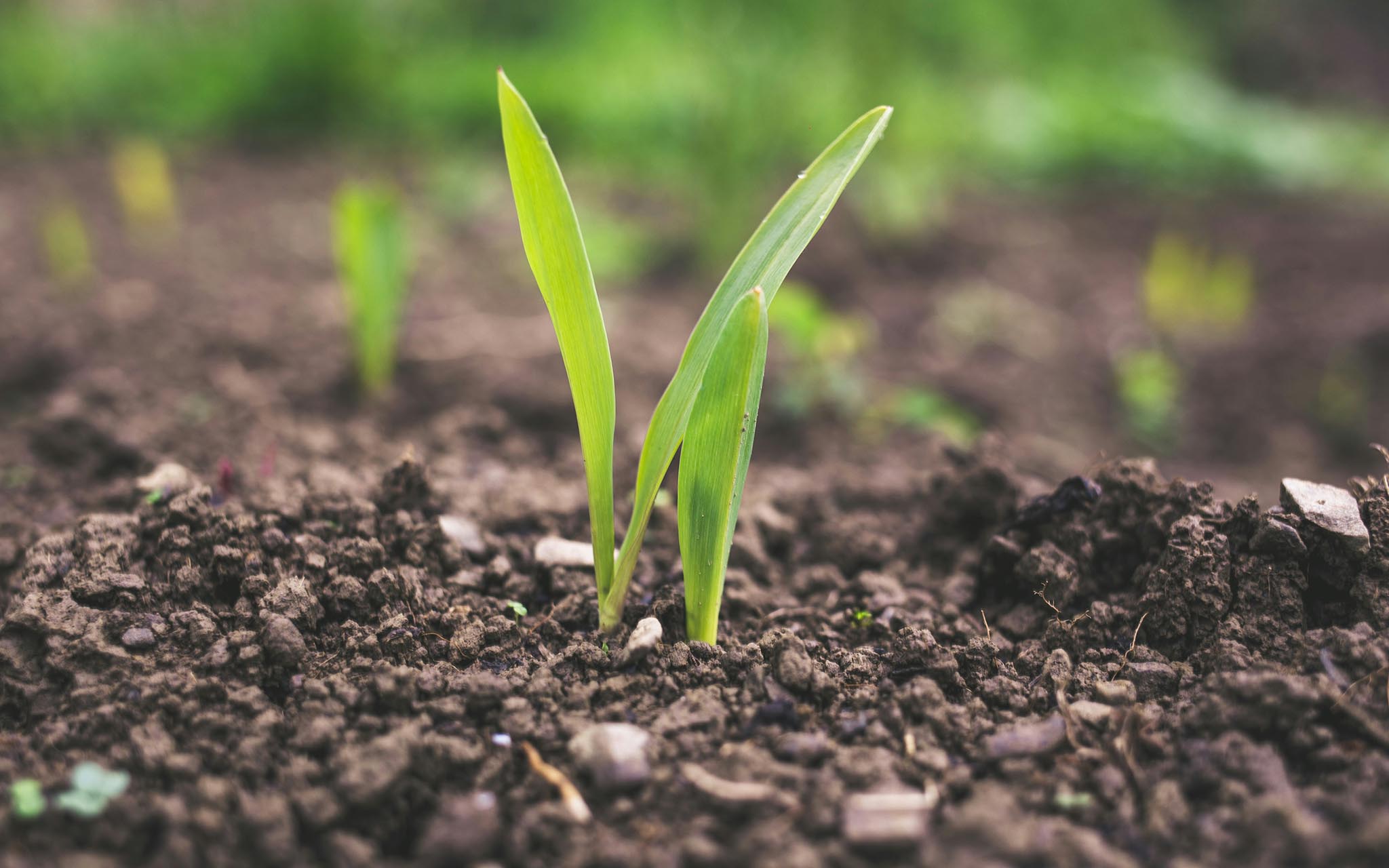
Winter may look quiet in the garden, but beneath the surface, roots are growing fast. In this episode of Great Gardens Radio, Steve Cockerham explains why winter is the most important season to fertilize, amend soil, and prepare plants for explosive spring growth — indoors and out.
Soil Is Storage — Not Food
Soil should be thought of as a refrigerator, not a pantry.
- Plants return to the soil daily asking for water, nutrients, lime, and calcium
- Soil does not naturally contain enough nutrition
- Nutrients must be intentionally added and stored for plant use
High-quality fertilizer — especially nitrogen — is the foundation of all healthy plant growth.
Why Nitrogen Is the “Money Number”
When choosing fertilizer, the first number matters most.
- Nitrogen fuels growth, recovery, and energy
- Numbers below 4 are effectively zero
- Quality fertilizers typically start at 14–20+
Without nitrogen, plants may survive — but they will never thrive.
Mycorrhizae & Humates: The Soil Upgrade
Modern soil health relies on two powerful amendments:
Mycorrhizae
- Beneficial fungi that attach to roots
- Expand root systems by 200–500%
- Allow roots to absorb nutrients more efficiently
Humates
- Thin plant cell walls by up to 50%
- Improve nutrient uptake strength and speed
- Supercharge fertilizer effectiveness
Together, they turn tired soil into a high-performance growing system.
Houseplants: The Most Overlooked Starvation Problem
Most houseplants sit in stale peat-based soil:
- Peat moss expires after ~1 year
- Many houseplants sit in 5–10-year-old soil
- Root growth slows, blooms fail, foliage weakens
What to Do
- Remove 2–3 inches of old soil from top and bottom
- Replace with coir-based potting soil (long-lasting porosity)
- Add fertilizer, mycorrhizae, humates, and a touch of lime
Winter root growth now = stronger plants all year.
Evergreens Need More Food Than You Think
Evergreens work year-round — unlike deciduous trees.
- Require ~60% more nutrients
- Often live in overly acidic soil from needle drop
- Benefit from periodic liming and granular fertilizer
Best Practices
- Fertilize once or twice yearly
- Lime every 5 years
- Mulch heavily — mulch can touch the trunk
- Granular fertilizer only (no liquids)
March is the ideal trimming month — if the plant is well fed.
Hydrangeas: Endless Blooms Need Endless Energy
Modern hydrangeas bloom for months, not weeks.
- Continuous blooming demands constant nutrition
- Food shortages cause bloom failure and drop
- Proper fertilization extends bloom size, color, and duration
Key Tips
- Fertilize and mulch consistently
- Use aluminum sulfate for blue varieties
- Lime for pink varieties
- Morning sun only; protect from midday heat
Healthy roots support heavy flower loads all season long.
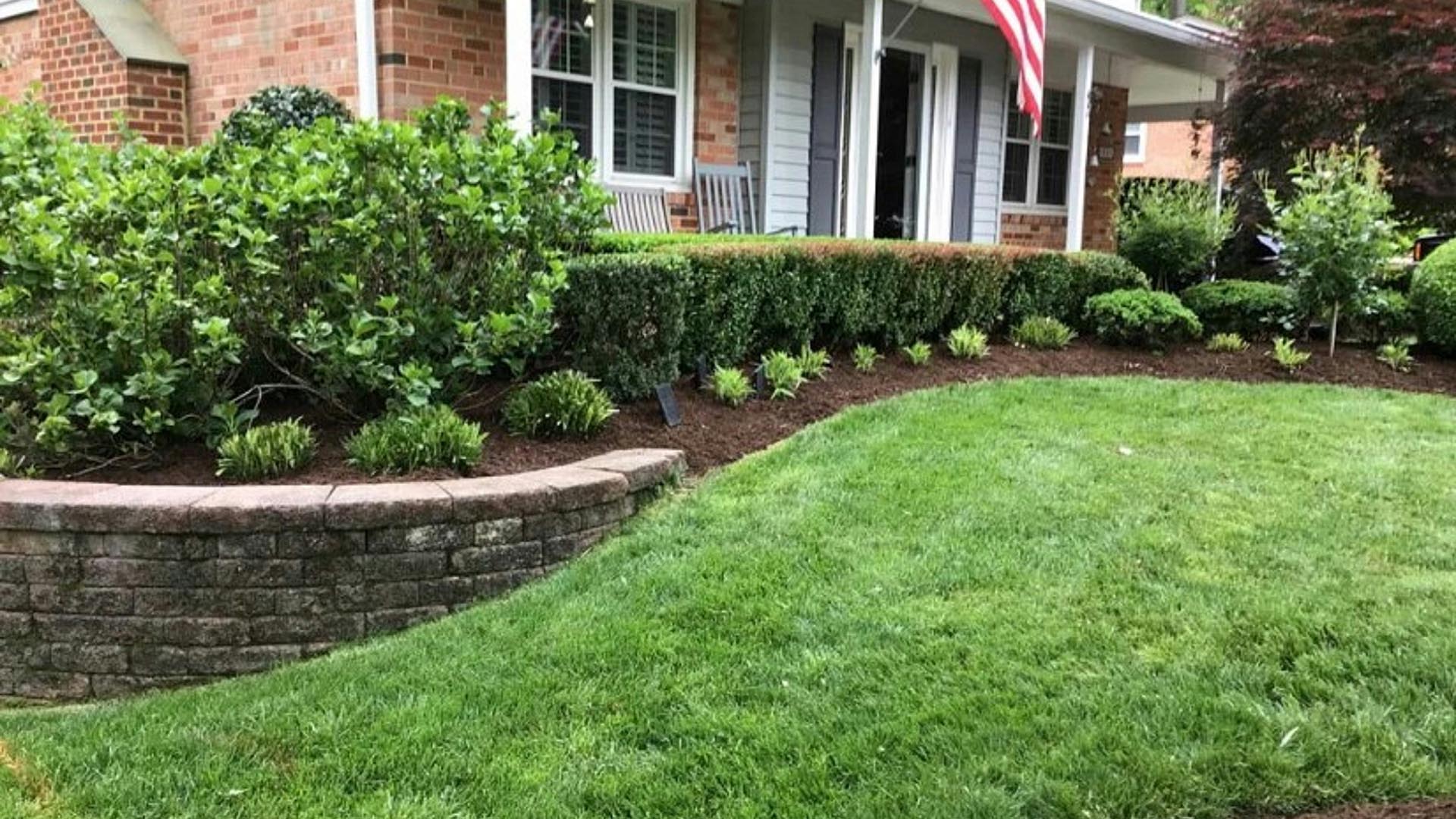
Winter Lawn & Landscape Checklist
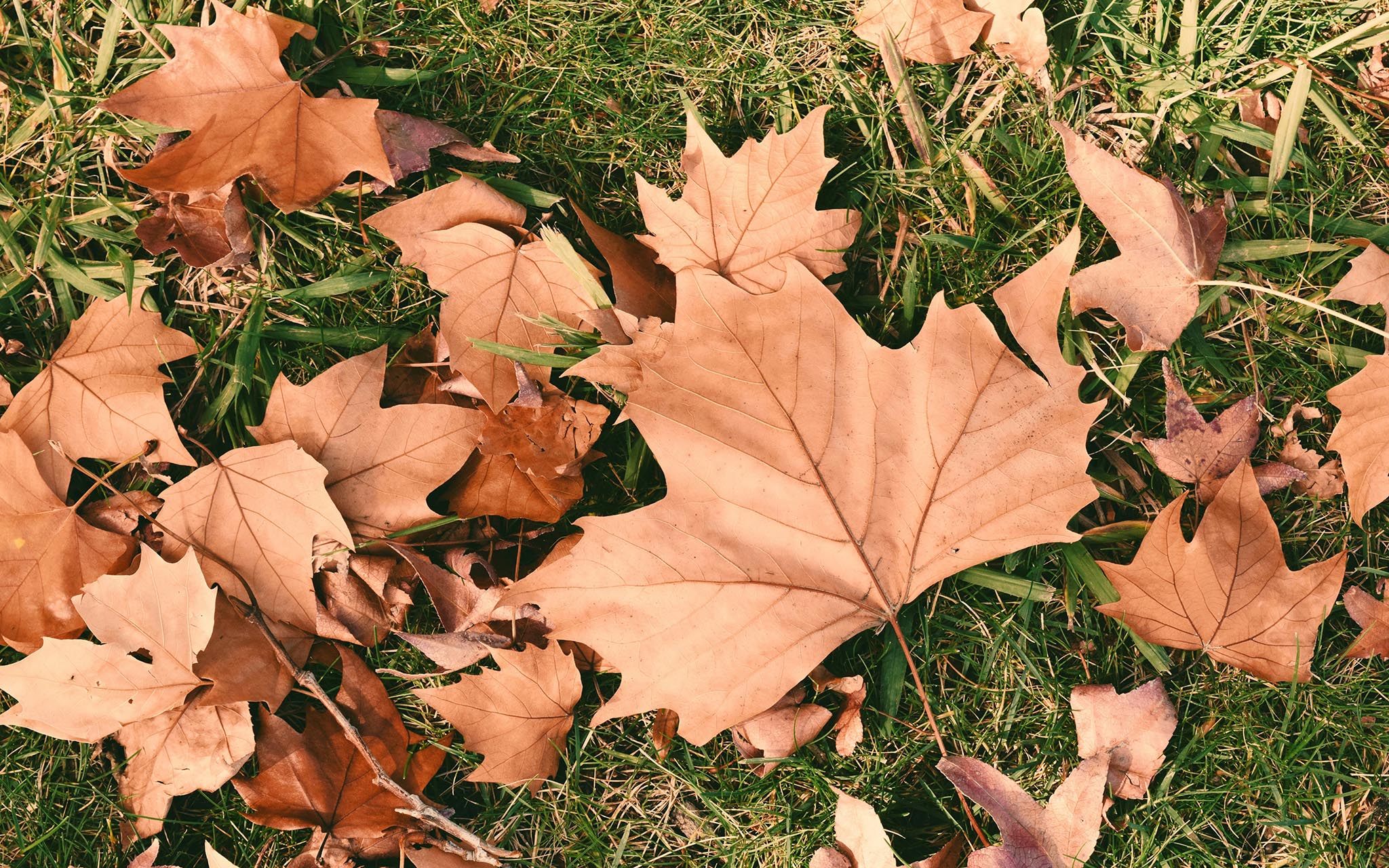
- Keep lawns free of leaf cover
- Fertilized plants resist freeze damage
- Mulch is critical for winter survival
- Ideal time for transplanting and dividing
- Best season for landscape planning & contractor discounts
Winter prep saves time, money, and plants.
Feed First — Everything Else Follows
Every plant problem eventually leads back to one truth:
Everything alive needs an energy source.
Fertilizer fuels healing, growth, bloom production, and stress recovery. Soil amendments make that food work harder. Together, they unlock the full potential of every plant.