Show #116 - Essential November Lawn Care Guide: Fertilizing, Iron, Lime & Winter Prep for a Greener Spring
What Else Can You Do for Your Lawn This Fall?
Customers often ask: “Is there anything else I can do for my lawn right now?”
The short answer: Yes — and November is the time to do it.
Before we cover finishing touches, let’s revisit the fundamentals:
- Your lawn needs two fall feedings: one at seeding and one in November.
- Gallery should be applied in lawns and beds to prevent weeds for 9 months.
- Cool-season lawns grow roots all winter long, so what you do now directly controls your lawn’s health next spring.
Now let’s dig into what else you can do.
Top November Lawn Care Enhancements
1. Apply Heavy Lime (40 lbs per 1,000 sq ft)
If you haven’t applied lime sometime in the past year, do it now. Lime stabilizes soil pH, improves nutrient uptake, and enhances fertilizer performance.
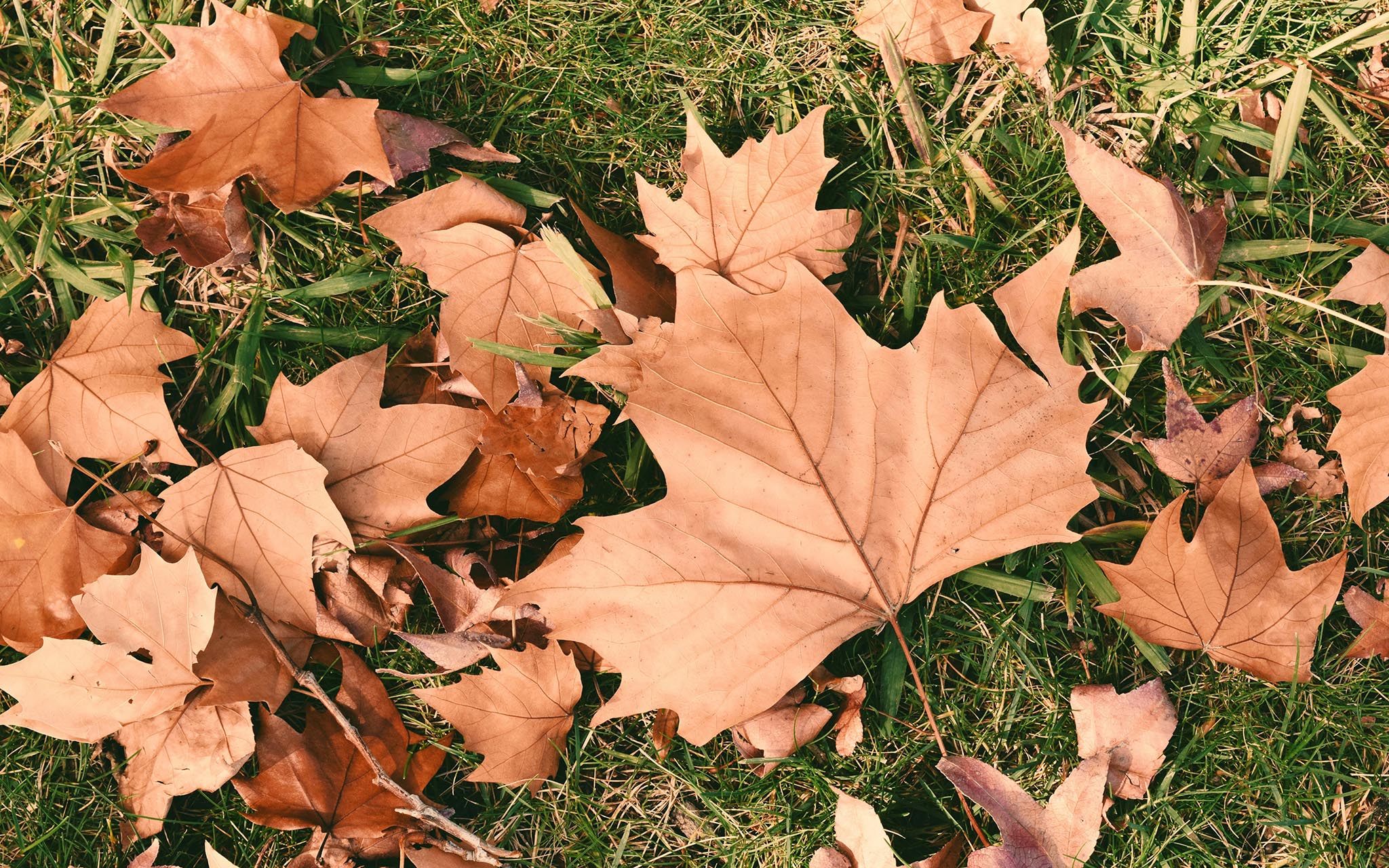
2. Keep Leaves Off the Lawn
Leaf removal is essential, especially in shady areas. Blow or mulch leaves regularly — heavy shade + heavy leaf cover = weak, thinning grass.
3. Add Iron for Deep Winter Green
Use Preferential Treatment:
- 10% iron (covers 5,000 sq ft)
- Growth stimulant (humates)
- Wetting agent
- Light 10–1–1 fertilizer
Iron instantly boosts color, making your lawn greener than it deserves to look. It’s perfect before hosting parties or home showings.
4. Apply Sulfate of Potash (0-0-50)
This winter-strength potassium source will:
- Thicken grass blades
- Deepen green color
- Improve cold tolerance
5. Use Your Mower as a Vacuum
Set your mower high — never below 3 inches, except before seeding. Use it to vacuum up leaves quickly and efficiently.
6. Address Holes in the Lawn
Small holes are actually good news — winter root growth will naturally fill them by late March.
Large holes (6”+) should be patched with sod.
Water once and it will root in one week during cool weather.
7. Watch for Tiny Winter Weeds
Weeds like chickweed and hairy bittercress start now and remain tiny until spring. Spray early with Fertilome Weed Free Zone for easy control.
8. Don’t Forget the Essentials
A thriving winter lawn needs:
- Lime
- November fertilizer
- Iron
- Sulfate of potash
Your goal is to keep the lawn high-octane green all winter, so it turns fully green earlier than your neighbors’ lawns next spring.
Why Trees and Lawns Need a Heavy November Feeding
Weak south- or west-facing slopes need extra fertilizer and lime now.
Trees stressed from late-summer and fall drought should be fed heavily with Plant Trust or Fertilome Start-n-Grow.
Trees can grow roots all winter long, setting them up for a healthy spring “leap.”
Muted Fall Color = Stressed Trees
This year’s reduced rainfall means:
- More trees with muted or brown leaves
- Leaves clinging through high wind gusts (a stress indicator)
- Poor sealing-off of leaf stems, which requires both water and fertilizer
Fall color is actually the absence of color — the leaf dying — and this process requires a tremendous energy supply. When trees are underfed, the process is incomplete.
November Feeding: The “Clean Out Your Garage” Feeding
This is the heaviest, most important feeding of the entire year for lawns and trees.
One Long Island erosion study even found:
Using the worst fertilizer was still better than not feeding at all.
Homeowners often focus on planting new trees — but feeding your existing trees is just as important, if not more so.
Healthy, well-fed trees develop stronger roots, better color, and greater drought resilience.
Conclusion
November is your final — and best — opportunity to prep your landscape for winter and guarantee a vibrant, early-green spring lawn. With the right feeding, iron, lime, and weed prevention, your lawn and trees will enter next year healthier, stronger, and more beautiful.