Show #115 - November Planting Guide: Why “Refrigerator Season” Is the Best Time to Plant, Mulch, and Protect Your Landscape
November: The Best Month to Plant—Even If Sales Say Otherwise
November may rank as the third worst sales month in the nursery industry, but horticulturally speaking, it is one of the best months of the entire year to plant almost anything. This is true for trees, shrubs, bulbs, perennials, and transplants.
Welcome to National Refrigerator Month—a cool, stress-free time when plants grow roots faster and with far less risk.
Why November Is “Refrigerator Season” for Plants
Between October 22nd and April 22nd, plants experience 80% of their total lifespan root growth. Cool weather eliminates heat stress and reduces watering needs. Many customers fear planting during cold months, but the truth is simple:
Plants love cold.
Cold = stability, recovery, dormancy, and root building.
This is their rejuvenation season.
Humans dislike cold — plants embrace it.
Planting Bulbs, Trees, and Perennials in November
Yes — you can plant a tree now.
Yes — you can plant bulbs now.
Yes — you can plant azaleas now.
Bulbs like tulips and daffodils come from Holland, a cold, wet, maritime climate. They don’t tolerate cold — they require it. The same applies to moving plants, dividing perennials, and installing new trees. There is no better time than November.
How to Prepare Your Garden for Winter
Winter preparation comes down to two essential steps:
- Fertilize
- Mulch
Fertilizer acts like antifreeze in plant tissue — it lowers the freezing point of the water in the cells, helping plants survive deep cold.
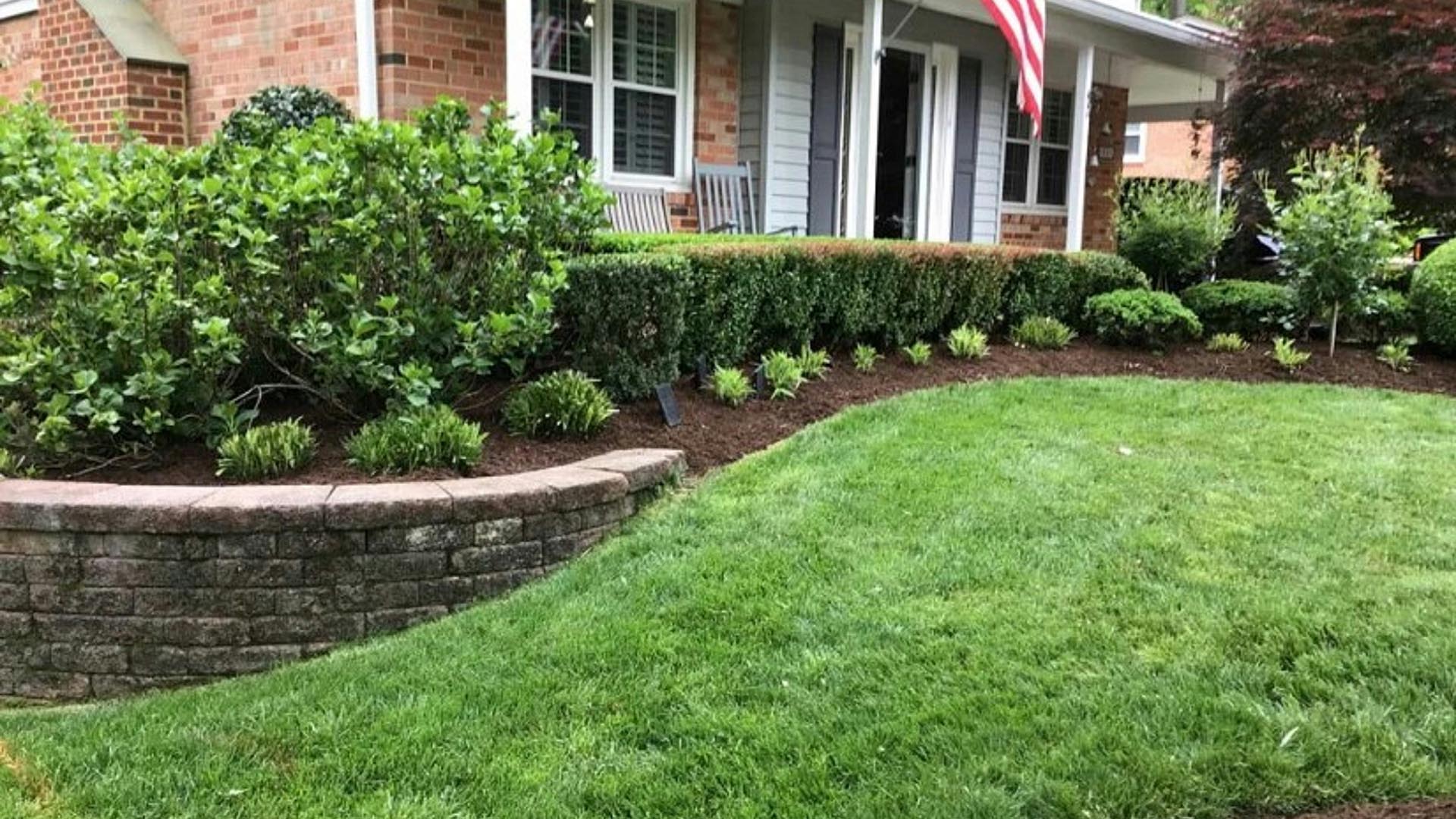
Mulch provides the insulation, just like a winter coat. It protects roots, which are the true vulnerable area—not the foliage.
What to Use:
- Composted bark
- Betty’s Clay Cutter as soil amendment
- Shredded hardwood bark mulch
- Shredded cedar mulch
- Cypress mulch
Avoid anything labeled “blend” — it contains as little as 2.5% of what you want.
Avoid pine bark nuggets — they don’t seal tightly and allow cold air gaps.
Which Plants Are Most at Risk in Winter?
New broadleaf shrubs that have not yet established roots, including:
- Holly
- Leucothoe
- Camellia
If mulch is thin, old, or missing around the root ball — these plants face the highest risk.
Spray Wilt-Pruf to reduce water loss by 30%.
Why Roots Are the Issue — Not Leaves
Back in the 1970s, people believed the foliage froze first. But Dr. Frank Gouin (University of Maryland) proved otherwise:
- Cold-damaged plants die because roots freeze
- Above-ground containers experience root death at 15°F for Japanese Compact Holly
- Lack of mulch and fertilizer causes the majority of winter losses
This research changed modern horticulture — winter care is root care.
Fresh Mulch = Healthier Landscape & Better Appearance
Winter die-back from perennials, grasses, and deciduous plants means fresh mulch is visually impactful and protective.
Mulch now, because spring mulching can break tender new stems.
Installing New Trees? Now Is the Moment.
Whether planting a single tree or installing a full landscape, November offers:
- Immediate root establishment
- Only moderate watering needs next spring
- Reduced transplant stress
November is the best month to plant — even before clearance sales begin.