Show #109 - Why Fall Is the Best Time to Plant: Lawn, Garden & Vegetable Tips for Strong Roots
Why Fall Is the Best Time to Plant for a Healthier Lawn and Garden
When it comes to growing a thriving lawn, strong plants, and a productive vegetable garden, fall is the most important season of the year. From cooler temperatures to ideal soil conditions, planting in autumn builds deep, resilient root systems that support growth all year long. Here’s why fall planting is a must — and how to make the most of it.
Root Growth Happens in the Fall
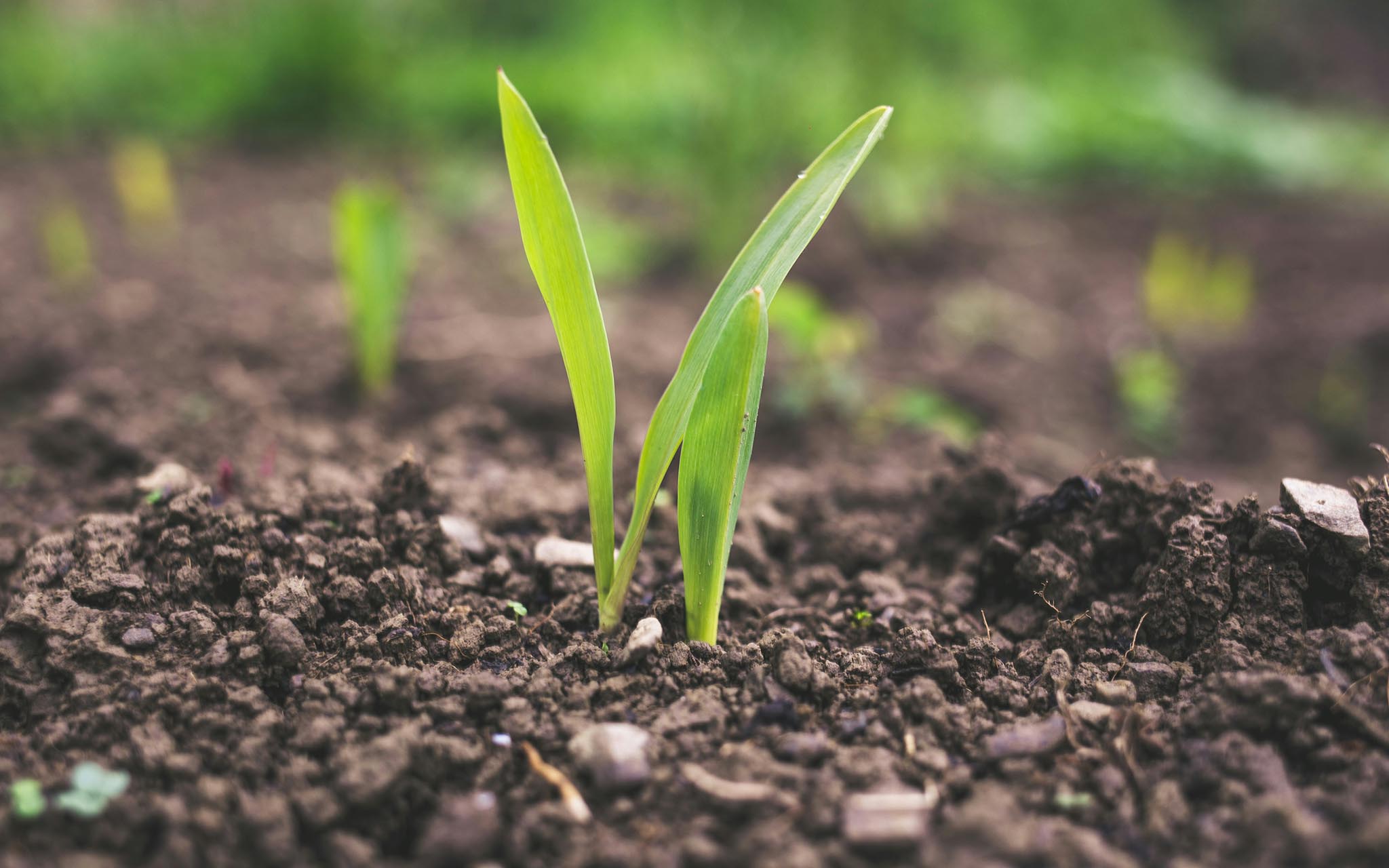
The best example of fall planting success is grass seed.
- Tall fescue and similar varieties need overnight temperatures above 45°F to germinate.
- Once germinated, they do 80% of their root growth during the cold winter months.
This same principle applies to all plants, trees, and shrubs. Fall is when roots grow deep and strong — setting the stage for lush, healthy growth above ground in spring and summer.
Choose the Right Fertilizer for Stronger Roots
For decades, many believed that the second number (phosphorus) in fertilizer was responsible for root growth. Research shows the opposite:
- It’s the first number (nitrogen) that fuels root development.
- Look for a fertilizer with a high first number (24, 30, or 36) and 50% or more slow-release nitrogen.
Why it matters:
- Slow-release nitrogen feeds plants for months, not weeks.
- Premium options like Turf Trust and Greenview Fall Special last over three times as long as box-store fertilizers.
- Most store-bought options contain only 7% slow release and high salt content, which reduces seed germination.
- Products with sulphate of potash (instead of muriate of potash) deliver up to 100% germination.
Pro Tip: Cheap fertilizers cost more in the long run because they require frequent reapplication. Premium slow-release formulas feed longer and save you money.
Fall Is the Best Time to Plant Trees and Shrubs
October offers the perfect balance of warm soil and cool air, making it the ideal season for planting. Here’s why:
- Plants establish strong root systems before spring.
- Nature takes care of watering as rainfall increases later in fall.
- By spring, plants are already established and ready to flourish.
At Betty’s Azalea Ranch, every plant is fertilized and trimmed before you buy it — so they’re stronger and ready to thrive in your landscape.
Important: Do not trim plants in the fall. Next spring’s flower buds are forming now. Instead:
- Do: Water, fertilize, and mulch to support bud development.
- Don’t: Prune or trim — you’ll remove next spring’s flowers.
Tree Care Tips Before Winter
Healthy trees are key to a thriving landscape.
- Inspect canopies — they should be full and green.
- Yellow leaf drop is a sign of insufficient water.
- Trees like poplars and birches are especially water-demanding now.
Tips for tree care this fall:
- Deeply water established trees to prepare them for dormancy.
- Fertilize to help trees seal leaf stems, which supports proper leaf drop and vibrant fall color.
- Fall planting gives new trees months to develop roots before spring.
Fall Vegetable Gardening: Easier and More Productive
Fall isn’t just for lawns and landscapes — it’s also a great time for a second vegetable garden. Planting now offers several advantages:
- Cooler weather means fewer insect pests.
- Warm soil encourages faster germination.
- Extended cool-season growth gives you a longer harvest window.
Vegetables to plant from seed:
- Radishes
- Spinach
- Lettuce
- Peas
Planting tips:
- Water daily until seedlings emerge (usually within a week).
- Follow spacing guidelines on seed packets for best results.
Key Takeaways for Fall Planting Success
- Fall = Root Season: Most root development happens during cold weather.
- Fertilizer Matters: Choose a high-nitrogen, slow-release formula for deeper roots and stronger plants.
- Don’t Prune: Focus on water, mulch, and fertilizer — not trimming.
- Water Trees Deeply: Especially water-demanding species like poplars and birches.
- Plant Cool-Season Veggies: Enjoy a pest-free, productive garden before winter.
Final Thoughts
Fall planting is one of the smartest things you can do for your landscape. Whether you’re seeding a new lawn, planting trees and shrubs, or starting a cool-weather vegetable garden, the work you do now sets the foundation for success in the months and years ahead.
With the right fertilizer, watering schedule, and timing, you’ll enjoy stronger roots, healthier plants, and a more vibrant garden come spring.